
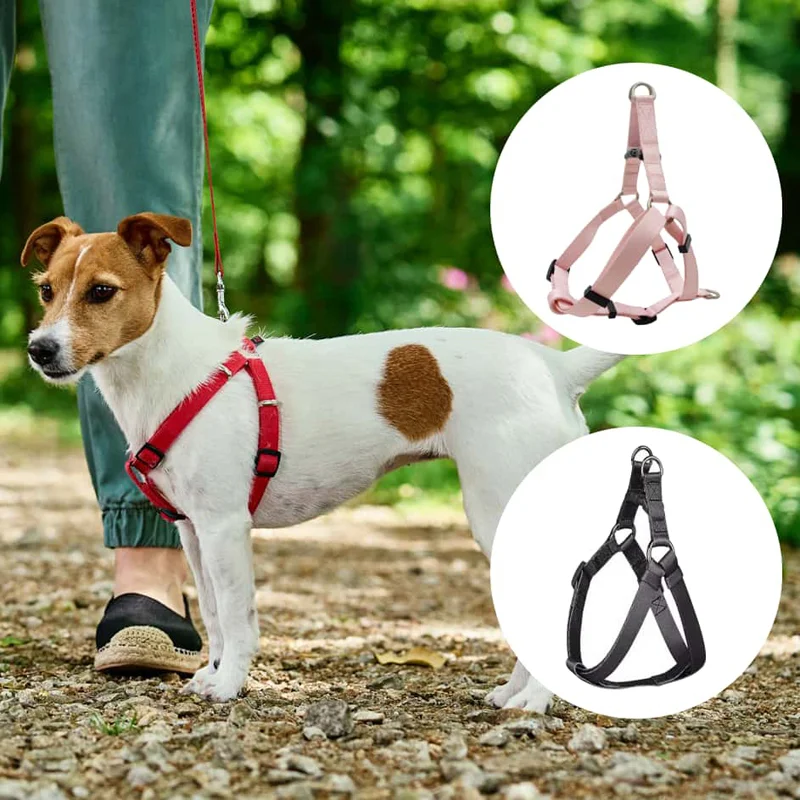
Olá, eu sou a Jessica, fundadora da Bestone - um fabricante líder de acessórios para animais de estimação com 16 anos de experiência. Hoje, vou partilhar tudo o que precisa de saber sobre como colocar corretamente os arneses para cães, com base em informações do sector e recomendações veterinárias.
Colocação de arnês para cães num relance
| Medição | Como medir | Dica importante |
|---|---|---|
| Perímetro do peito | Na parte mais larga atrás das pernas dianteiras | Acrescentar 2 polegadas para espaço de regulação |
| Circunferência do pescoço | Na base do pescoço, onde assenta o colarinho | Deve ficar bem ajustado, mas não apertado |
| Verificação do ajuste | Teste de dois dedos sob cada correia | Seguro mas não restritivo |
Porque é que os arreios para cães são sempre melhores do que as coleiras
A ciência por detrás de uma caminhada mais segura
Além disso, a investigação mostra que os arneses podem reduzir a força de tração até 60% em comparação com as coleiras tradicionais. Além disso, esta melhoria drástica acontece porque os arneses distribuem a pressão pelo peito e ombros do cão, em vez de concentrarem a força na zona delicada do pescoço.
Além disso, os veterinários recomendam cada vez mais os arneses por várias razões importantes. Em primeiro lugar, evitam lesões na traqueia que podem ocorrer quando se puxa a coleira. Em segundo lugar, reduzem o risco de lesões no pescoço em cães excitáveis. Em terceiro lugar, proporcionam um melhor controlo sem causar desconforto.
Visão do sector: De acordo com estudos veterinários recentes, 78% dos profissionais veterinários referem que o ajuste incorreto do arnês contribui para lesões nos tecidos moles dos cães. Por conseguinte, o ajuste correto não tem apenas a ver com conforto - tem a ver com a prevenção de problemas de saúde graves.
Benefícios especiais para diferentes tipos de cães
Nomeadamente, certas raças de cães beneficiam ainda mais da utilização de arneses. Por exemplo, as raças braquicefálicas (como os Pugs e os Bulldogs) têm dificuldades respiratórias que se agravam com a pressão da coleira. Da mesma forma, os cães pequenos têm traqueias delicadas que necessitam de proteção adicional. Entretanto, os cães idosos com artrite sofrem menos tensão nas articulações com arneses devidamente ajustados.
Para além disso, os cachorros beneficiam significativamente do treino precoce com arneses porque estabelece hábitos de passeio positivos desde o início. Consequentemente, os cães aprendem a andar calmamente em vez de desenvolverem comportamentos de puxão.
Escolha primeiro o tipo de arnês correto
Compreender os diferentes estilos de arneses
Antes de medir o seu cão, é essencial escolher o tipo correto de arnês. Diferentes estilos servem diferentes objectivos e, consequentemente, a escolha errada pode levar a problemas de adaptação e a uma menor eficácia.
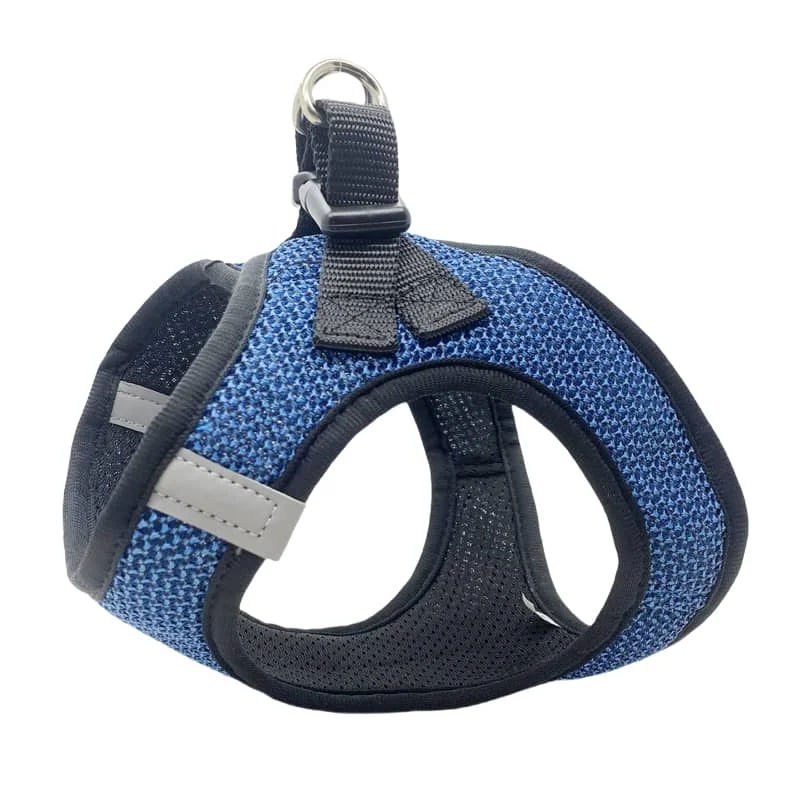
Arnês com clipe traseiro
Perfeito para caminhadas calmas e utilização quotidiana
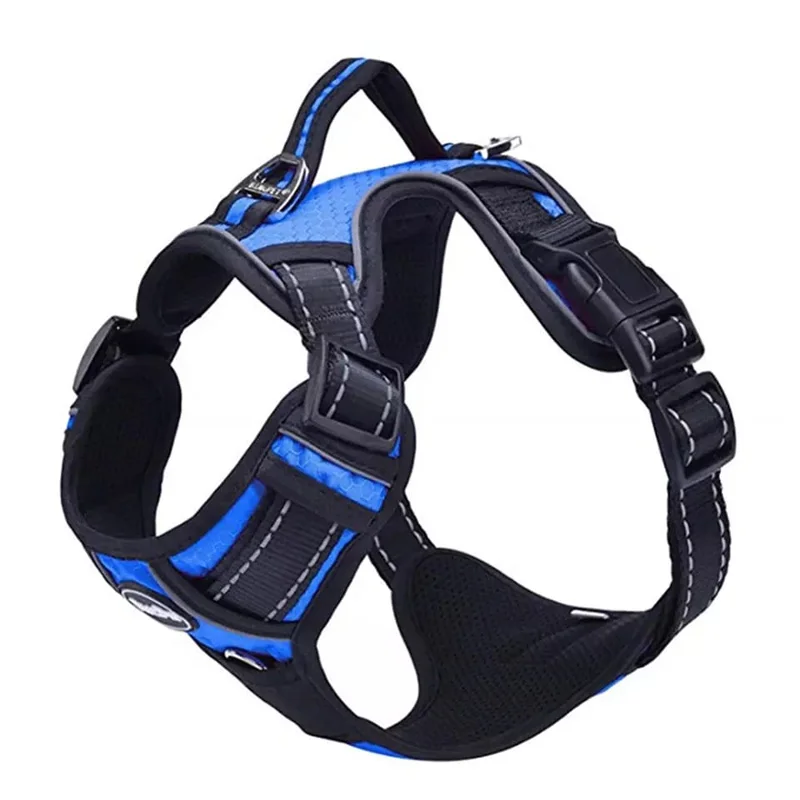
Arnês com clipe frontal
Ideal para treinar e reduzir os puxões
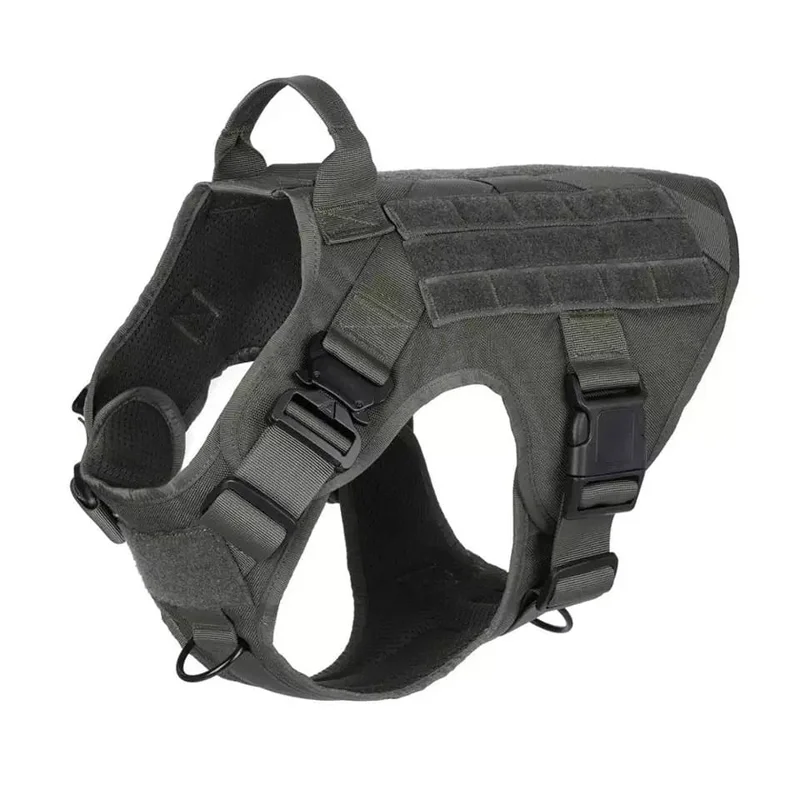
Arnês tático
Concebido para cães de serviço e aventuras ao ar livre
Adequar o tipo de arnês às necessidades do seu cão
Primeiro, arneses com clipe posterior funcionam melhor para cães bem treinados que andam calmamente. Uma vez que a trela se prende na parte de trás, estes arneses proporcionam conforto sem encorajar o comportamento de puxar. No entanto, não são adequados para cães que puxam frequentemente.
Seguinte, arneses de clipe frontal redireccionam o impulso do seu cão para a frente quando ele puxa. Por conseguinte, são excelentes ferramentas de treino para quem puxa com entusiasmo. Além disso, muitos treinadores preferem modelos de arneses sem puxão para trabalhos de reabilitação.
Entretanto, arneses de clipe duplo oferecem a máxima versatilidade. Além disso, é possível alternar entre os pontos de fixação à frente e atrás, consoante a situação. Por conseguinte, estes arneses crescem com o progresso do treino do seu cão.
"Os compradores B2B exigem agora conjuntos de arreios completos com embalagens de marca própria e tabelas de tamanhos consistentes para apoiar lançamentos de retalho omnicanal." - John Smith, Diretor de Desenvolvimento de Produtos da PetStar OEM
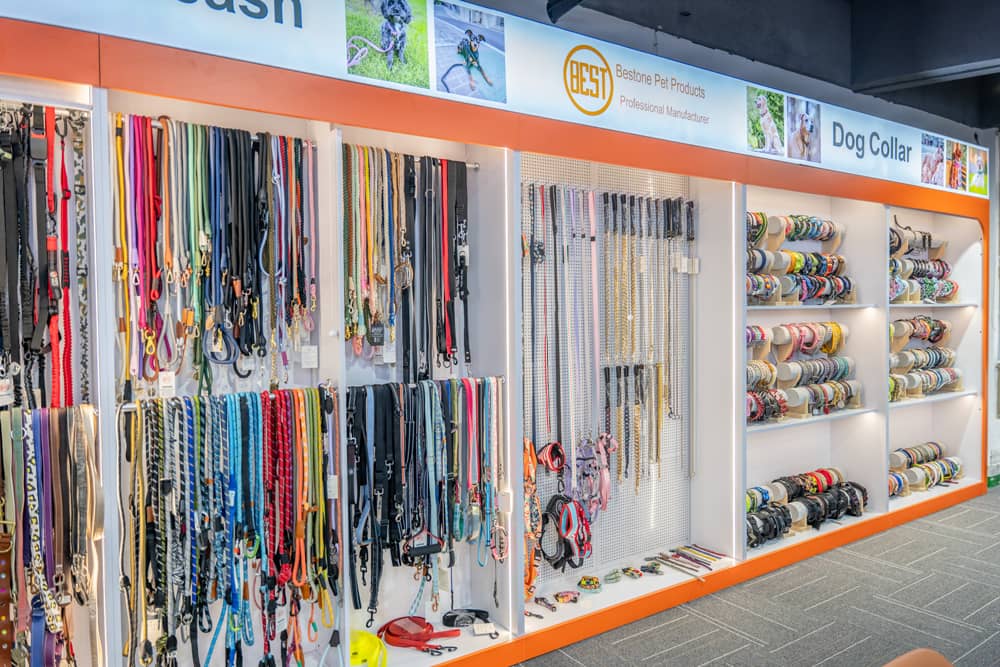
Explore o nosso equipamento completo para cães
Linha de produtos
Desde coleiras ecológicas a arneses, trelas e vestuário - tem totalmente personalizado produtos para cães com logótipo, cor, tecido e embalagem adaptados à sua marca.
Pronto para OEM/ODM. Qualidade, entrega, escalabilidade-Bestone cumpre.
Como medir o seu cão para um arnês (3 medidas essenciais)
Reunir as suas ferramentas de medição
Antes de começar, vai precisar de uma fita métrica flexível e de um assistente prestável. Além disso, tenha à mão guloseimas para manter o seu cão calmo e quieto durante o processo. Além disso, é melhor medir o seu cão quando ele está relaxado e parado naturalmente.
Além disso, meça sempre sobre o pelo do seu cão e não sobre a sua pele nua. Da mesma forma, não comprima demasiado o pelo, pois isso pode levar a medições demasiado pequenas. Em vez disso, deixe a fita assentar confortavelmente contra o corpo do cão.
As três medidas críticas
Medida #1: Perímetro do peito (mais importante)
Em primeiro lugar, localize a parte mais larga do peito do seu cão, normalmente 2-3 polegadas atrás das patas dianteiras. Em seguida, enrole a fita métrica à volta desta área, certificando-se de que passa por baixo do peito e por cima das costas. Depois, registe esta medida e acrescente 2 polegadas para espaço de ajuste.
Medida #2: Circunferência do pescoço
De seguida, meça à volta da base do pescoço do seu cão, onde uma coleira ficaria naturalmente. No entanto, certifique-se de que a fita não está demasiado apertada - deve poder passar dois dedos por baixo. Além disso, esta medida ajuda a determinar o tamanho da correia do pescoço.
Medida #3: Comprimento do dorso (para arneses de inserção)
Finalmente, meça da base do pescoço do seu cão (onde se encontra com os ombros) até à base da cauda. Esta medida é essencial para estilos de arnês de entrada e assegura uma cobertura adequada.
Dica profissional: O ajuste adequado minimiza o risco de lesões e maximiza a satisfação do cliente - factores essenciais para a repetição das vendas a retalho e para a reputação da marca. Por conseguinte, verifique sempre as suas medidas antes de efetuar a encomenda.
Passo a passo: Como colocar corretamente um arnês para cães
Preparar o cão e o arnês
Inicialmente, deixe o seu cão cheirar e investigar o arnês. Além disso, ofereça guloseimas para criar associações positivas com o novo equipamento. Entretanto, desaperte todas as correias ajustáveis até ao seu comprimento máximo - isto facilita muito a adaptação inicial.
Além disso, escolha um ambiente calmo e familiar para a primeira prova. Consequentemente, o seu cão sentir-se-á mais relaxado e cooperante durante todo o processo.
O processo de ajuste em 5 etapas
Passo 1: Posicionar o arnês
Primeiro, coloque a correia do peito sobre o esterno do seu cão (zona do esterno). Em seguida, coloque a correia traseira atrás das omoplatas. É importante que o arnês fique bem assente no corpo do cão, sem se torcer.
Passo 2: Fixar as fivelas primárias
Em seguida, aperte as fivelas laterais ou as correias dos ombros de acordo com o modelo do arnês. No entanto, não se preocupe ainda com o aperto perfeito - concentre-se primeiro em ligar tudo corretamente.
Passo 3: Ajustar para um encaixe correto
Em seguida, aperte cada correia gradualmente até conseguir colocar dois dedos entre o arnês e o corpo do seu cão. Além disso, verifique se a placa peitoral não pressiona a garganta do cão ou restringe o movimento das patas dianteiras.
Passo 4: Testar o movimento e o conforto
Depois, encoraje o seu cão a andar, sentar-se e deitar-se enquanto usa o arnês. Entretanto, esteja atento a quaisquer sinais de fricção, beliscão ou restrição de movimentos. Além disso, ajuste as correias conforme necessário para eliminar pontos de pressão.
Etapa 5: Verificação final de segurança
Por fim, tente puxar suavemente o arnês por cima da cabeça do seu cão. Se escorregar facilmente, aperte a correia do peito. Por outro lado, se o seu cão parecer desconfortável ou limitado, desaperte as correias adequadas.
O teste dos dois dedos: Verificar o ajuste perfeito e o conforto
Realização do teste com dois dedos
O teste dos dois dedos é a norma de ouro para verificar o ajuste do arnês. Especificamente, deve ser capaz de deslizar dois dedos confortavelmente sob cada correia, sem os forçar. Além disso, este teste garante que o seu cão tem espaço suficiente para respirar e mover-se naturalmente.
No entanto, se conseguir colocar toda a sua mão sob a correia, o arnês está demasiado solto. Por outro lado, se não conseguir colocar dois dedos facilmente, está demasiado apertado. Por conseguinte, ajuste em conformidade até obter o equilíbrio perfeito.
Sinais de ajuste correto
Além disso, um arnês bem ajustado deve permitir que o seu cão mova livremente as patas dianteiras. Além disso, o cão deve ser capaz de ofegar normalmente sem que a correia peitoral restrinja a sua respiração. Para além disso, não deve haver marcas vermelhas ou marcas na pele após a remoção.
Da mesma forma, observe o comportamento do seu cão enquanto usa o arnês. Por exemplo, coçar excessivamente, tentar sair do arnês ou relutância em mover-se podem indicar problemas de ajuste. Consequentemente, tempo de utilização correta do arnês inclui controlos de ajuste regulares.
Controlo de conforto: De acordo com os especialistas em fisioterapia canina, os arneses nunca devem interferir com a marcha natural do seu cão ou com o movimento dos ombros. Por conseguinte, observe o seu cão a andar de lado para garantir que a sua passada permanece normal.
7 Erros comuns na montagem do arnês para cães (e como evitá-los)
Erros críticos de ajuste
Erro #1: Apertar demasiado o arnês
Muitos donos de cães preocupam-se com a fuga do seu animal de estimação e, por isso, apertam demasiado o arnês. No entanto, isso restringe a respiração e os movimentos, causando irritação. Em vez disso, confie no teste dos dois dedos para uma segurança óptima sem desconforto.
Erro #2: Escolher o tamanho errado
Além disso, adivinhar o tamanho do seu cão em vez de o medir leva a um mau ajuste. Além disso, as tabelas de tamanhos variam consoante os fabricantes, o que torna essencial a realização de medições exactas. Por conseguinte, meça sempre primeiro e depois compare com as tabelas de tamanhos específicas.
Erro #3: Ignorar o estilo do arnês
Além disso, a utilização de um arnês com presilha traseira num cão que puxa muito é ineficaz e potencialmente perigosa. Por outro lado, os arneses com fecho frontal podem confundir os cães bem treinados. Por conseguinte, deve adequar o tipo de arnês ao nível de treino e ao comportamento do seu cão.
Erros de manutenção e monitorização
Erro #4: Saltar os controlos regulares da forma física
Do mesmo modo, os cães mudam de tamanho devido a flutuações de peso, desenvolvimento muscular ou envelhecimento. Por conseguinte, volte a verificar o ajuste a cada 3-6 meses, especialmente durante a fase de cachorro ou de idoso.
Erro #5: Deixar os arneses ligados demasiado tempo
Além disso, embora os arneses sejam mais seguros do que as coleiras, não devem ser usados 24 horas por dia, 7 dias por semana. Em vez disso, retire o arnês durante os períodos de repouso para evitar o emaranhamento e permitir que a pele respire.
Erro #6: Utilizar equipamento danificado
Além disso, continuar a utilizar arneses desgastados ou danificados compromete a segurança. Por conseguinte, inspeccione o arnês mensalmente e substitua-o quando necessário. Considere explorar diferentes tipos de arneses se o seu estilo atual não estiver a funcionar.
Erro #7: Técnica de apresentação incorrecta
Por último, forçar um arnês a um cão que não está disposto a usá-lo cria associações negativas. Em vez disso, utilize o reforço positivo e a introdução gradual para tornar o uso do arnês uma experiência agradável.
Cuidados com o arnês e quando o substituir
Limpeza e manutenção essenciais
Os cuidados adequados com os arreios prolongam a sua vida útil, mantendo a higiene e o conforto. Em primeiro lugar, estabeleça um horário de limpeza regular com base no nível de atividade do seu cão. Além disso, os cães activos que nadam, fazem caminhadas ou brincam na terra precisam de uma limpeza mais frequente do que os animais de interior.
Para a limpeza de rotina, lave o arnês à mão a cada 2-4 semanas, utilizando um detergente suave e água morna. Além disso, evite produtos químicos agressivos ou lixívia, que podem enfraquecer o tecido e as ferragens. Além disso, seque o arnês completamente antes de o guardar para evitar bolor e mofo.
Lista de verificação da inspeção mensal
Entretanto, efectue inspecções de segurança mensais para identificar precocemente potenciais problemas. Especificamente, verifique se há costuras desgastadas, elástico esticado, fivelas de plástico rachadas ou ferragens de metal dobradas. Além disso, examine o acolchoamento para verificar se há compressão ou rasgões que possam causar desconforto.
Do mesmo modo, teste todas as fivelas e mecanismos de regulação para garantir que funcionam corretamente. Além disso, verifique se as argolas em D e os pontos de fixação da trela permanecem bem apertados. Por conseguinte, resolva imediatamente os problemas menores antes que se tornem riscos para a segurança.
Indicadores de substituição
No entanto, mesmo os arneses bem conservados precisam de ser substituídos. Por conseguinte, substitua imediatamente o arnês do seu cão se detetar algum destes sinais de aviso:
- Costuras desfiadas ou soltas em pontos de tensão críticos
- Fivelas rachadas ou partidas que não fecham com segurança
- Correias esticadas que já não se ajustam corretamente
- Forro gasto que expõe as arestas
- Ferragens que apresentem sinais de corrosão ou deformação
Além disso, considere a substituição se o tamanho do seu cão tiver mudado significativamente ou se estiver a mudar para um estilo de arnês diferente para fins de treino. Por conseguinte, investir em equipamento de qualidade da fabricantes de arneses de renome garante uma vida útil mais longa e um melhor valor.
Descubra o seu parceiro de fabrico fiável
Bestone tem 16 anos de experiência em I&D e exportação de produtos para cães, com controlo de qualidade certificado pela SGS/TUV/CE, fábrica amiga do ambiente, e poupança de custos 40-60%.
Parceiro consigo para elevar a linha de produtos para animais de estimação da sua marca sem problemas.
Conclusão: Ajuste do arnês para cães para passeios felizes e saudáveis
Em última análise, aprender a colocar corretamente um arnês para cães transforma a sua experiência de passeio de stressante em agradável. Além disso, a colocação correta evita lesões, melhora o controlo e reforça a ligação entre si e o seu companheiro peludo.
Lembre-se destas dicas importantes: meça com precisão, escolha o tipo certo de arnês, efectue o teste dos dois dedos e realize verificações de ajuste regulares. Além disso, evite erros comuns como apertar demasiado ou ignorar os sinais de conforto do seu cão.
Como profissional na indústria de animais de estimação, tenho visto como o ajuste correto do arnês faz a diferença entre donos frustrados e passeadores de cães confiantes. Por isso, invista tempo na aprendizagem destas técnicas - o seu cão vai agradecer-lhe.
Pronto para encontrar o arnês perfeito para o seu cão? Na Bestone, somos especialistas no fabrico de arneses para cães de alta qualidade e personalizáveis, que dão prioridade à segurança e ao conforto. Contactar a nossa equipa hoje para discutir as suas necessidades específicas e explorar a nossa vasta gama de acessórios para animais de companhia concebidos para donos de cães modernos.

 English
  العربية
  Dansk
Dansk  Nederlands
  Français
  Italiano
  한국어
한국어  Norsk bokmål
  Português
  Русский
  Српски језик
  Español
  Svenska
  日本語
日本語  Deutsch