
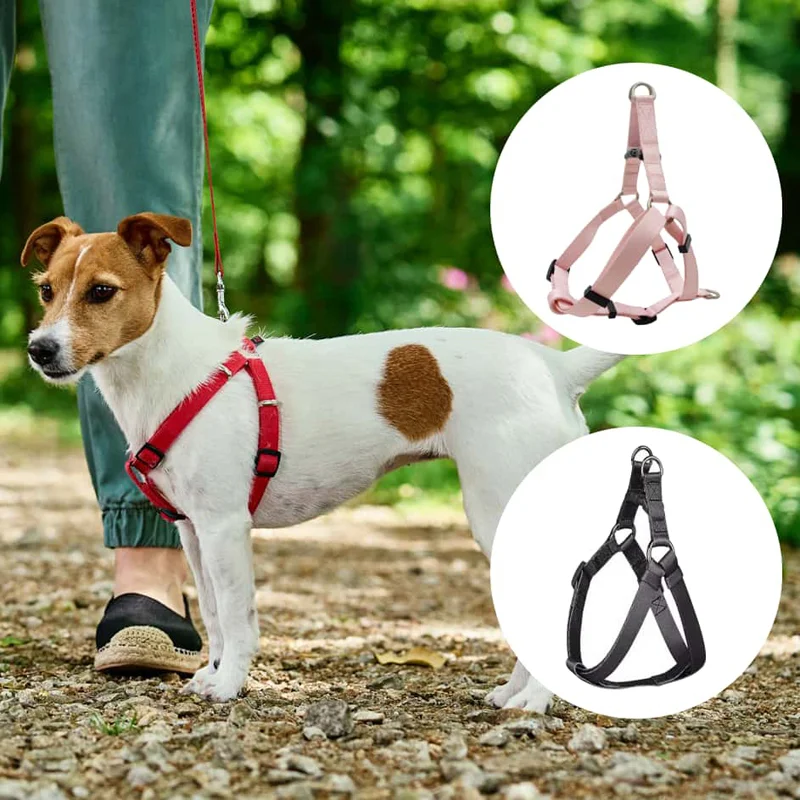
Hi, I'm Jessica, founder of Bestone—a leading pet accessories manufacturer with 16 years of experience. Today, I'll share everything you need to know about fitting dog harnesses correctly, based on industry insights and veterinary recommendations.
Dog Harness Fitting at a Glance
| Measurement | How to Measure | Key Tip |
|---|---|---|
| Chest Girth | Around widest part behind front legs | Add 2 inches for adjustment room |
| Neck Circumference | At base of neck where collar sits | Should fit snugly but not tight |
| Fit Check | Two-finger test under each strap | Secure but not restrictive |
Why Dog Harnesses Beat Collars Every Time
The Science Behind Safer Walking
Moreover, research shows that harnesses can reduce pulling force by up to 60% compared to traditional collars. Additionally, this dramatic improvement happens because harnesses distribute pressure across your dog's chest and shoulders instead of concentrating force on the delicate neck area.
Furthermore, veterinarians increasingly recommend harnesses for several important reasons. First, they prevent tracheal damage that can occur with collar pulling. Second, they reduce the risk of neck injuries in excitable dogs. Third, they provide better control without causing discomfort.
Industry Insight: According to recent veterinary studies, 78% of vet professionals report improper harness fit contributes to soft-tissue injuries in dogs. Therefore, proper fitting isn't just about comfort—it's about preventing serious health issues.
Special Benefits for Different Dog Types
Notably, certain dog breeds benefit even more from harness use. For example, brachycephalic breeds (like Pugs and Bulldogs) have breathing difficulties that worsen with collar pressure. Similarly, small dogs have delicate tracheas that need extra protection. Meanwhile, senior dogs with arthritis experience less joint strain with properly fitted harnesses.
Additionally, puppies benefit significantly from early harness training because it establishes positive walking habits from the start. Consequently, dogs learn to walk calmly instead of developing pulling behaviors.
Choose the Right Harness Type First
Understanding Different Harness Styles
Before measuring your dog, it's essential to choose the right harness type. Different styles serve different purposes, and consequently, the wrong choice can lead to fitting problems and reduced effectiveness.
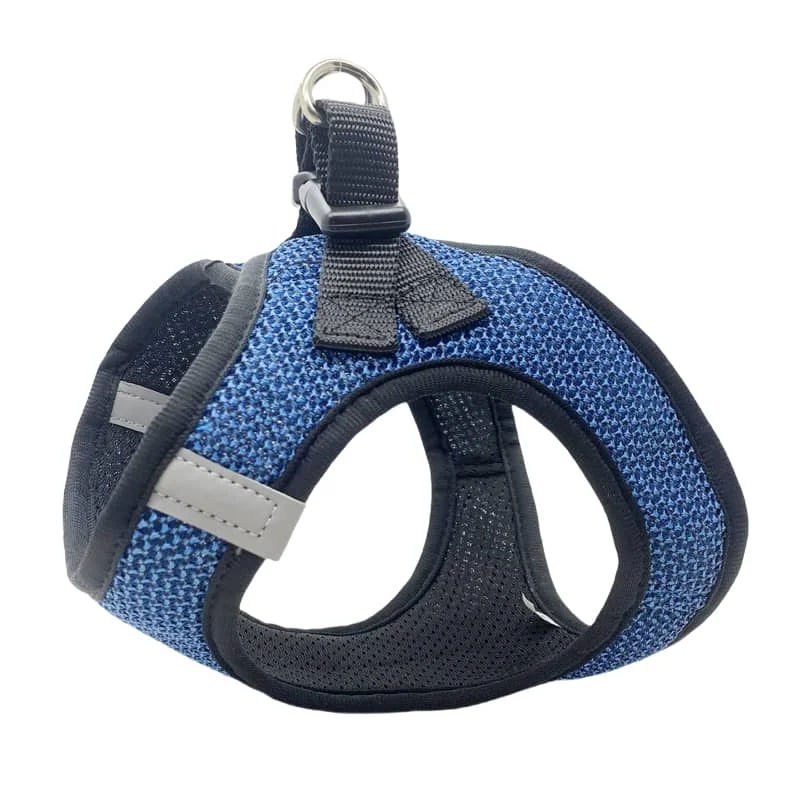
Back-Clip Harness
Perfect for calm walkers and everyday use
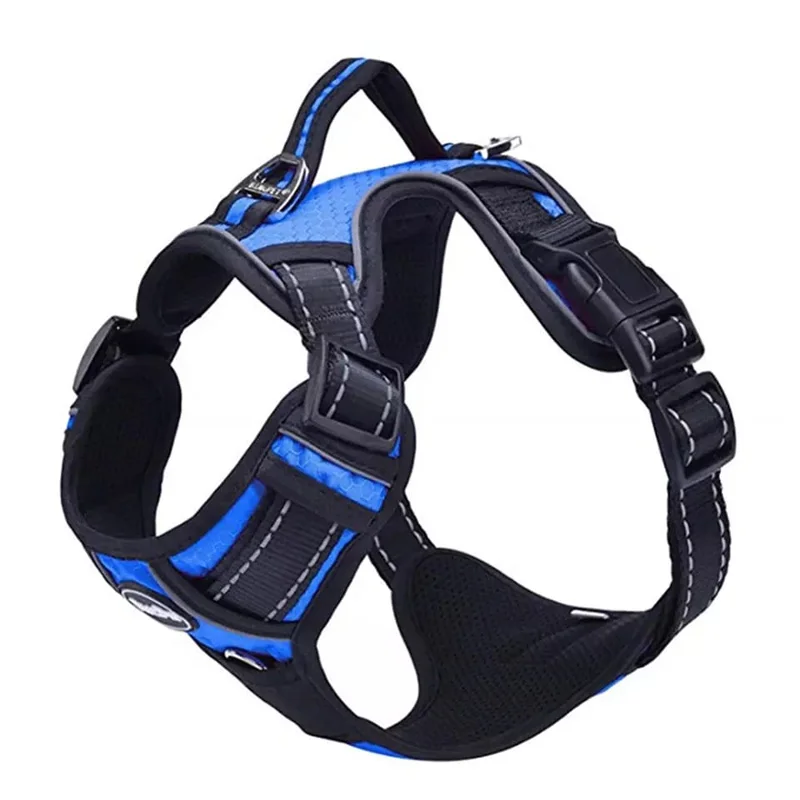
Front-Clip Harness
Ideal for training and reducing pulling
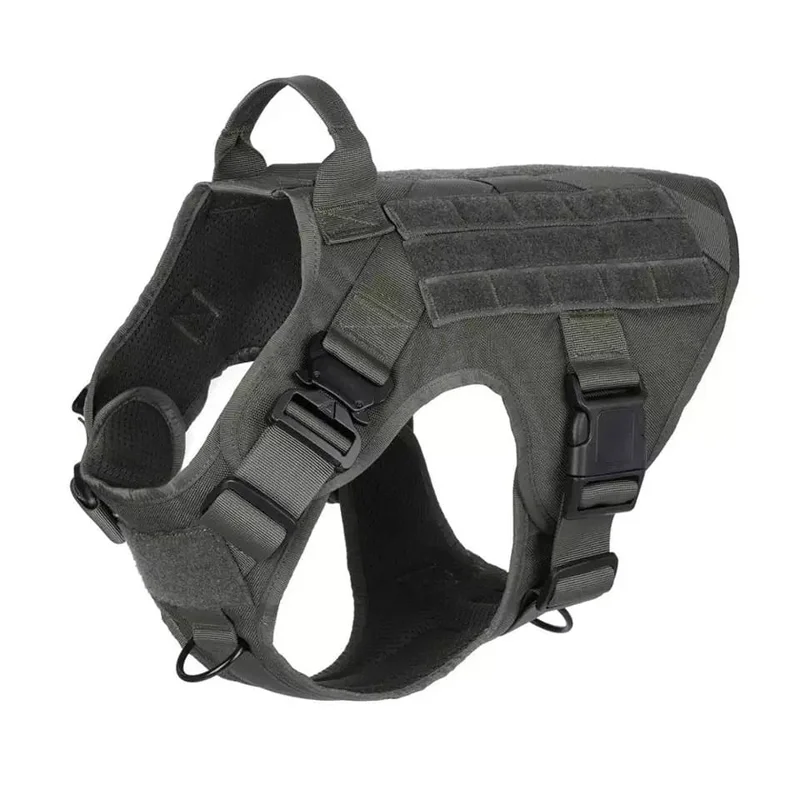
Tactical Harness
Built for service dogs and outdoor adventures
Matching Harness Type to Your Dog's Needs
First, back-clip harnesses work best for well-trained dogs who walk calmly. Since the leash attaches at the back, these harnesses provide comfort without encouraging pulling behavior. However, they're not suitable for dogs that pull frequently.
Next, front-clip harnesses redirect your dog's forward momentum when they pull. Therefore, they're excellent training tools for enthusiastic pullers. Additionally, many trainers prefer no-pull harness designs for rehabilitation work.
Meanwhile, dual-clip harnesses offer maximum versatility. Furthermore, you can switch between front and back attachment points depending on the situation. Consequently, these harnesses grow with your dog's training progress.
"B2B buyers now demand harness sets complete with private-label packaging and consistent sizing charts to support omnichannel retail launches." — John Smith, Head of Product Development at PetStar OEM
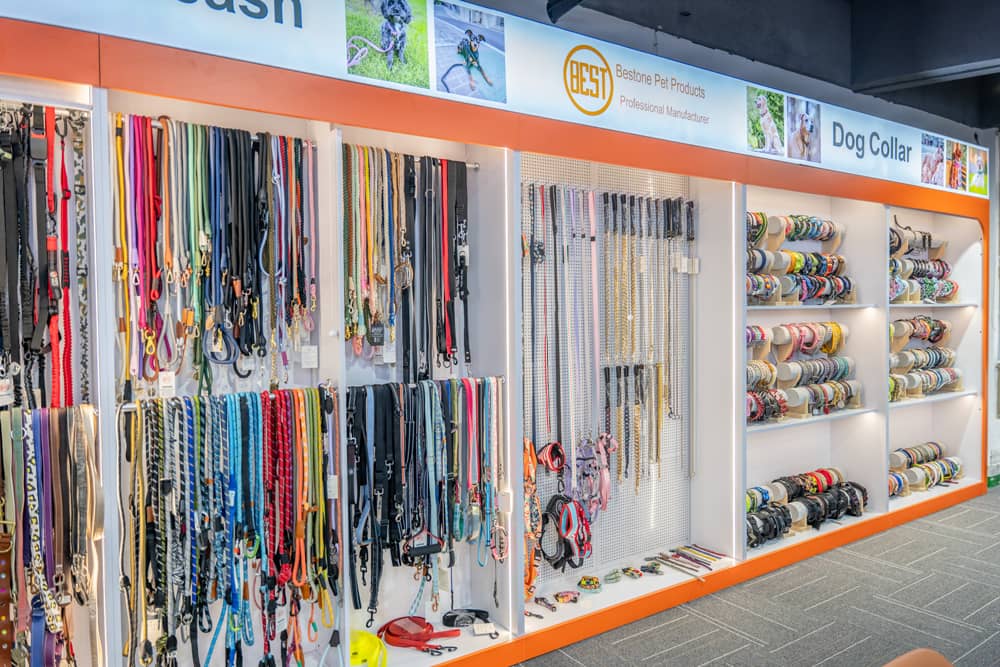
Explore Our Full Dog Gear
Product Line
From eco-friendly collars to harnesses, leashes to apparel—you get full-custom dog products with logo, color, fabric, and packaging tailored to your brand.
OEM/ODM ready. Quality, delivery, scalability—Bestone delivers.
How to Measure Your Dog for a Harness (3 Essential Measurements)
Gathering Your Measurement Tools
Before starting, you'll need a flexible measuring tape and a helpful assistant. Additionally, have treats ready to keep your dog calm and still during the process. Furthermore, it's best to measure your dog when they're relaxed and standing naturally.
Moreover, always measure over your dog's fur, not their bare skin. Similarly, don't compress the fur too much, as this can lead to measurements that are too small. Instead, let the tape sit comfortably against their body.
The Three Critical Measurements
Measurement #1: Chest Girth (Most Important)
First, locate the widest part of your dog's chest, typically 2-3 inches behind their front legs. Next, wrap the measuring tape around this area, ensuring it passes under their chest and over their back. Then, record this measurement and add 2 inches for adjustment room.
Measurement #2: Neck Circumference
Subsequently, measure around the base of your dog's neck where a collar would naturally sit. However, ensure the tape isn't too tight—you should be able to slide two fingers underneath. Additionally, this measurement helps determine the neck strap size.
Measurement #3: Back Length (For Step-in Harnesses)
Finally, measure from the base of your dog's neck (where it meets the shoulders) to the base of their tail. Notably, this measurement is crucial for step-in harness styles and ensures proper coverage.
Pro Tip: Proper fit minimizes injury risk and maximizes customer satisfaction—key factors for repeat retail sales and brand reputation. Therefore, always double-check your measurements before ordering.
Step-by-Step: How to Fit a Dog Harness Correctly
Preparing Your Dog and Harness
Initially, let your dog sniff and investigate the harness. Additionally, offer treats to create positive associations with the new equipment. Meanwhile, loosen all adjustable straps to their maximum length—this makes the initial fitting much easier.
Furthermore, choose a quiet, familiar environment for the first fitting. Consequently, your dog will feel more relaxed and cooperative throughout the process.
The 5-Step Fitting Process
Step 1: Position the Harness
First, place the chest strap across your dog's sternum (breastbone area). Then, position the back strap behind their shoulder blades. Importantly, ensure the harness sits flat against their body without twisting.
Step 2: Secure the Primary Buckles
Next, fasten the side buckles or shoulder straps according to your harness design. However, don't worry about perfect tightness yet—focus on getting everything connected properly first.
Step 3: Adjust for Proper Fit
Subsequently, tighten each strap gradually until you can slip two fingers between the harness and your dog's body. Additionally, check that the chest plate doesn't press against their throat or restrict their front leg movement.
Step 4: Test Movement and Comfort
Then, encourage your dog to walk, sit, and lie down while wearing the harness. Meanwhile, watch for any signs of rubbing, pinching, or restricted movement. Furthermore, adjust straps as needed to eliminate pressure points.
Step 5: Final Security Check
Finally, gently try to pull the harness over your dog's head. If it slips off easily, tighten the chest strap. Conversely, if your dog seems uncomfortable or restricted, loosen the appropriate straps.
The Two-Finger Test: Checking Perfect Fit and Comfort
Performing the Two-Finger Test
The two-finger test is the gold standard for checking harness fit. Specifically, you should be able to slide two fingers comfortably under each strap without forcing them. Additionally, this test ensures your dog has enough room to breathe and move naturally.
However, if you can fit your whole hand under the strap, the harness is too loose. Conversely, if you can't fit two fingers easily, it's too tight. Therefore, adjust accordingly until you achieve the perfect balance.
Signs of Proper Fit
Moreover, a properly fitted harness should allow your dog to move their front legs freely. Additionally, they should be able to pant normally without the chest strap restricting their breathing. Furthermore, there should be no red marks or indentations on their skin after removal.
Similarly, watch your dog's behavior while wearing the harness. For instance, excessive scratching, trying to back out of the harness, or reluctance to move can indicate fit problems. Consequently, proper harness usage timing includes regular fit checks.
Comfort Check: According to canine physiotherapy experts, harnesses should never interfere with your dog's natural gait or shoulder movement. Therefore, observe your dog walking from the side to ensure their stride remains normal.
7 Common Dog Harness Fitting Mistakes (And How to Avoid Them)
Critical Fitting Errors
Mistake #1: Over-tightening the Harness
Many dog owners worry about their pet escaping, so they make the harness too tight. However, this restricts breathing and movement while causing chafing. Instead, trust the two-finger test for optimal security without discomfort.
Mistake #2: Choosing the Wrong Size
Additionally, guessing your dog's size instead of measuring leads to poor fit. Furthermore, size charts vary between manufacturers, making accurate measurements essential. Therefore, always measure first, then compare to specific size charts.
Mistake #3: Ignoring Harness Style
Moreover, using a back-clip harness on a strong puller is ineffective and potentially dangerous. Conversely, front-clip harnesses can confuse well-trained dogs. Consequently, match the harness type to your dog's training level and behavior.
Maintenance and Monitoring Mistakes
Mistake #4: Skipping Regular Fit Checks
Similarly, dogs change size due to weight fluctuations, muscle development, or aging. Therefore, recheck the fit every 3-6 months, especially during puppyhood or senior years.
Mistake #5: Leaving Harnesses On Too Long
Furthermore, while harnesses are safer than collars, they shouldn't be worn 24/7. Instead, remove the harness during rest periods to prevent matting and allow the skin to breathe.
Mistake #6: Using Damaged Equipment
Additionally, continuing to use frayed or damaged harnesses compromises safety. Therefore, inspect your harness monthly and replace when necessary. Consider exploring different harness types if your current style isn't working.
Mistake #7: Poor Introduction Technique
Finally, forcing a harness on an unwilling dog creates negative associations. Instead, use positive reinforcement and gradual introduction to make harness-wearing a pleasant experience.
Harness Care and When to Replace
Essential Cleaning and Maintenance
Proper harness care extends its lifespan while maintaining hygiene and comfort. First, establish a regular cleaning schedule based on your dog's activity level. Additionally, active dogs who swim, hike, or play in dirt need more frequent cleaning than indoor pets.
For routine cleaning, hand-wash your harness every 2-4 weeks using mild detergent and warm water. Moreover, avoid harsh chemicals or bleach that can weaken the fabric and hardware. Furthermore, air-dry the harness completely before storage to prevent mold and mildew.
Monthly Inspection Checklist
Meanwhile, perform monthly safety inspections to identify potential problems early. Specifically, check for frayed stitching, stretched elastic, cracked plastic buckles, or bent metal hardware. Additionally, examine the padding for compression or tearing that could cause discomfort.
Similarly, test all buckles and adjustment mechanisms to ensure they work smoothly. Furthermore, check that D-rings and leash attachment points remain securely fastened. Consequently, address minor issues immediately before they become safety hazards.
Replacement Indicators
However, even well-maintained harnesses need eventual replacement. Therefore, replace your dog's harness immediately if you notice any of these warning signs:
- Frayed or loose stitching on critical stress points
- Cracked or broken buckles that don't close securely
- Stretched straps that no longer adjust properly
- Worn padding that exposes rough edges
- Hardware that shows signs of corrosion or bending
Additionally, consider replacement if your dog's size has changed significantly or if you're switching to a different harness style for training purposes. Therefore, investing in quality equipment from reputable harness manufacturers ensures longer lifespan and better value.
Discover Your Reliable Manufacturing Partner
Bestone has 16 years of experience in dog products R&D and export, boasting SGS/TUV/CE‑certified quality control, eco‑friendly factory, and 40–60% cost savings.
Partner with you to elevate your brand’s pet‑product line seamlessly.
Conclusion: Master Dog Harness Fitting for Happy, Healthy Walks
Ultimately, learning how to fit a dog harness correctly transforms your walking experience from stressful to enjoyable. Moreover, proper fitting prevents injuries, improves control, and strengthens the bond between you and your furry companion.
Remember these key takeaways: measure accurately, choose the right harness type, perform the two-finger test, and conduct regular fit checks. Additionally, avoid common mistakes like over-tightening or ignoring your dog's comfort signals.
As a professional in the pet industry, I've seen how proper harness fitting makes the difference between frustrated owners and confident dog walkers. Therefore, invest time in learning these techniques—your dog will thank you for it.
Ready to find the perfect harness for your dog? At Bestone, we specialize in manufacturing high-quality, customizable dog harnesses that prioritize both safety and comfort. Contact our team today to discuss your specific needs and explore our comprehensive range of pet accessories designed for modern dog owners.

 English
  العربية
  Dansk
Dansk  Nederlands
  Français
  Italiano
  한국어
한국어  Norsk bokmål
  Português
  Русский
  Српски језик
  Español
  Svenska
  日本語
日本語  Deutsch