
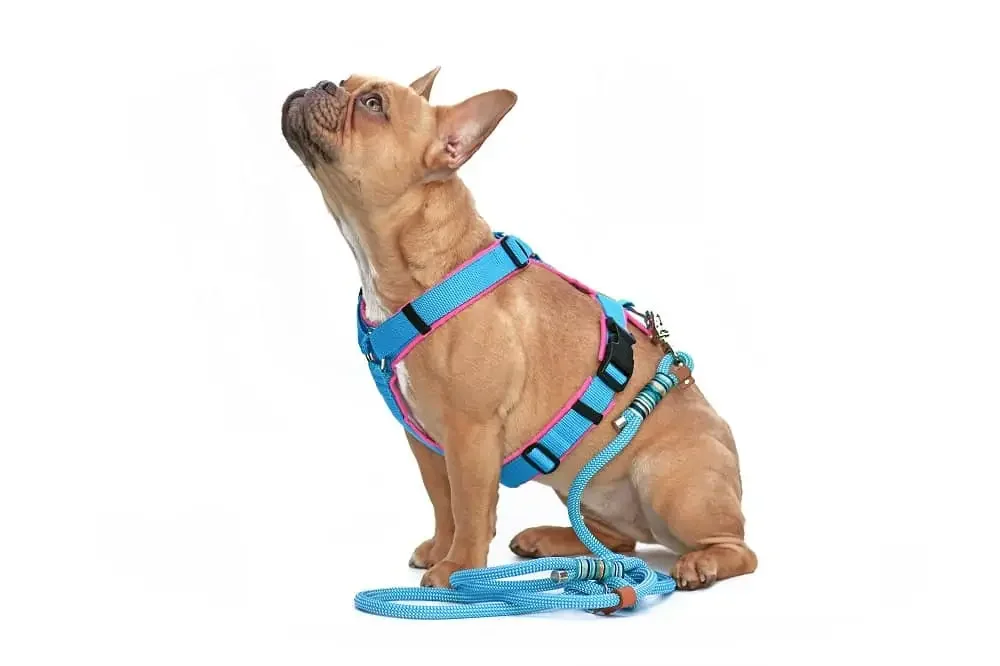
理想のものを選ぶ 犬用ハーネス それは、ストラップやバックル、さまざまなデザインが絡み合ったパズルを解こうとするようなものです。ぴったり合うものを見つけるのは難しいかもしれません。愛犬の安全を損なうことなく、快適に過ごせるものでなければなりません。.
私は、自分なりの探求の過程で、ある知恵の粒を見つけました。その Y字型ハーネスの設計 これにより、 前足が自由に動く. これは、どんな犬の飼い主にとっても画期的な出来事です。.
この投稿では、以下の点について見ていきます。 HハーネスとYハーネスの違い. 。これにより、愛犬に最適なハーネスを選ぶのに役立ちます。ぴったりのハーネスを見つけるための道筋を明確にしていきましょう!
要点
- H - ハーネス 犬の体をハグするように包み込むため、胸の狭い犬に適しています。2つのループがストラップでつながっています。ストラップによって圧力が均等に分散されますが、活発な犬の場合、動きが制限される可能性があります。.
- Y字型ハーネス 特に前足の動きをより自由にします。このデザインは、活発な犬やリードを引っ張りがちな犬に適しています。ただし、胸の広い犬種には向かない場合があり、敏感な肌に擦れを引き起こす可能性があります。.
- ハーネスを選ぶ際は、愛犬の大きさ、犬種、性格、活動量を考慮してください。必ず ハーネスは着け心地が良い. 。きつすぎず、緩すぎないものが良いでしょう。ナイロンやネオプレンなど、適切な素材で作られているか確認してください。.
- ハーネスの適切なフィット感が重要です。. 愛犬のサイズを測る 購入する前に。その後、ストラップを均等に調整してください。そうすれば、散歩中の不快感を防ぐことができます。リードをつける前に、愛犬にハーネスの着用に慣れさせておくことを忘れないでください。.
- これらの要素を踏まえて適切なハーネスを選ぶ際のサポートが必要な場合は、ジェシカまでメールでお問い合わせください。彼女のメールアドレスは上記の記事に記載されています。彼女なら、あなたに合わせたアドバイスをしてくれます。.
犬用ハーネスの種類について
犬用製品のB2Bバイヤーであるあなたなら、すべての用品が同じ品質というわけではないことをご存じでしょう。特にハーネスに関してはなおさらです。ここでは、H型とY型のハーネスの違いについて見ていきましょう。それぞれの特徴を明らかにし、お客様の愛犬が自信を持って快適に散歩できるようお手伝いします。.
H型ハーネス
について H型ハーネス 犬の体に心地よくフィットします。横から見ると「H」の文字のように見えます。このスタイルは、まるで抱きしめる時の腕のように、2つの布のループが犬を包み込むようなデザインになっています。.
金属製のリング リードに取り付けることで、愛犬を窒息させることなく誘導することができます。私は、犬にとっては 胸の狭い犬や小型犬.
Hハーネスは……かもしれない、と言う人もいるが 動きを制限する, ……とはいえ、それはフィット感や愛犬の活動量次第です。引っ張る癖のある犬にはあまり適していません。そうした犬には、強く引っ張る機会を減らせるようなものが必要です。.
転売用や犬のトレーニング用にハーネスを購入する場合は、まず顧客のニーズを把握しましょう。愛犬にしっかりと、かつ優しく体を支えるサポートが必要な場合は、この定番のデザインをお選びください。犬の胸郭や肋骨全体をしっかりと支えます。.
Yハーネス
I Y型ハーネスの販売 犬が楽に動き回れるようにしてくれるからです。それらは 愛犬の肩の動きを妨げることなく、快適に過ごせるように設計されています. このハーネスは、愛犬が歩いているときでも、ボールを追いかけて走っているときでも、前足を動きにくくすることはありません。.
こんな風にイメージしてみてください。愛犬の胸元に「Y」の字が描かれているのを想像してみてください――このハーネスはまさにそんな形をしています。動きやすさを確保できる上、引っ張りがちな犬にも最適です。.
私の顧客はY字ハーネスを大変気に入っています。このハーネスは、サイズが合わないギアによる怪我を防ぐことができます。犬の喉頭神経は繊細であり、不適切な首輪がそれを傷つける可能性があることは周知の事実です。しかし、このハーネスを使えば、 プレッシャーが彼らから遠のいた. そのため、お散歩や冒険の際も安心して過ごせます。.
さらに、活発な犬やリードを引っ張りがちな犬種向けの商品を販売している場合は、 Y字ハーネス 売り上げを大幅に伸ばすことができるかもしれません!
X-ハーネス
について X-ハーネス は 唯一無二の選択肢 犬の飼い主向けです。犬の体に巻きつけると、背中に「X」の形ができます。このデザインは 圧力を均等に分散させる, 、これは引っ張る癖のある犬には最適です。.
ストラップは多くの場合、長さ調節が可能で、愛犬にぴったりのフィット感を実現します。.
子犬はそれぞれ個性があり、場合によっては 特定の種類の支援. だからこそ、私の店ではこのハーネスを販売しているのです。これにより、お客様が自分に合ったものを見つけられるよう、もう一つの選択肢を提供できるからです。 ペットにぴったりの相性.
以下を提供します 不快感のないコントロール, 、それこそが、散歩に関わるすべての人にとって楽しいものにするのです!
[elementor-template id="9128"]
H型ハーネスのメリットとデメリット
愛犬用のH型ハーネスについて言えば、考慮すべき点は実に多岐にわたります。そのスリムな体型にぴったりとフィットする点で人気がありますが、一方で、少し気が引けてしまうような欠点もいくつかあります。特に、愛犬が引っ張る癖がある場合には、その傾向が顕著です。.
胸幅が狭い犬にとってより快適です
H型ハーネスは、多くの場合、次のような場合に適しています。 胸の狭い犬. このデザインは犬の体にぴったりとフィットします。首を締め付けたり、のどに過度な圧力をかけたりすることはありません。グレイハウンドやウィペットといった犬種には、このスタイルが適しています。.
彼らは繊細な体つきをしているため、 優しいサポート. これらのハーネスは、犬の呼吸を妨げないよう、胸にぴったりとフィットします。.
H型ハーネスの形状は、上や横から見たときに「H」の文字のように見えます。2つのループがストラップでつながっています。一方のループは首に、もう一方のループは前脚の後ろの胴体に巻き付けます。.
この構造により、愛犬の体全体に力が均等に分散されます。これにより、お散歩中や自宅でくつろいでいるときにも、愛犬がより快適に過ごせます。.

移動が制限される場合があります
Hハーネスは、場合によっては 犬の動きを制限する. これは、 ストラップは犬の体と脚に巻きつけます. このタイプのものを着せると、一部の犬は 思うように動けない. 彼らはもしかすると 走ったりジャンプしたりするのが難しくなる, 、特に体ががっしりしている場合はなおさらです。.
さて、お客様のニーズについて考えてみましょう。もしお客様の愛犬が活発で遊ぶのが大好きなら、H型ハーネスは動きを制限してしまう可能性があります。そのような場合、 子犬が体をひねったり回したりできるように ~なし 装備に縛られているような感覚.
犬を引っ張る用途には適していません
もし、次のような顧客に販売しているなら 強力な牽引車, 、H型ハーネスは彼らにとって最適な選択肢ではないかもしれません。散歩には快適ですが、 あまり細かく設定できない 犬が何かを追いかけることに決めたとき。.
リードを引っ張るのが大好きな犬をたくさん見てきましたが、そのような状況ではH型ハーネスは役に立ちません。販売業者は、それが 引っ張り行動を促す それを妨げるのではなく。.
私の友人の飼い犬についてお話ししましょう。その子は、引っ張るのが大好きな、まさに力持ちです。友人はH型ハーネスを試してみましたが、その元気いっぱいの子犬には太刀打ちできませんでした。だからこそ、筋肉質の犬種や散歩が大好きな犬には、私はいつもY型ハーネスをおすすめしているのです。.
それは……をもたらします より優れた操作性 これにより、飼い主は冒険的なお出かけの際にも、愛犬を安全かつ安心に守ることができます。.
Y字型ハーネスのメリットとデメリット
Y字ハーネスの世界を探求していくと、愛犬たちの動きを自由にさせるそのユニークな設計上の特徴が明らかになります。しかし、これは「ワンサイズで万人に合う」というわけではありません。.
引き続きご注目ください。この「しっぽを振る」物語には、まだまだ続きがあります。.
可動域が広がる
A Y字ハーネスは犬の移動を助けます 自由に。このデザインは前足を締め付けないため、ストラップが邪魔になることなく、歩き、走り、遊ぶことができます。この特徴は、活発な犬にとって非常に重要だと気づきました。犬たちには、体を伸ばして大股で歩けるスペースが必要なのです。.
あなたのような購入者のために、体をしっかり支えるハーネスをご用意しました 自然な動き 強力なセールスポイントとなり得ます。Y字型ハーネスは単に快適さを追求するだけでなく、 適度な運動量 それもそうだ。.
散歩中に犬が急に飛び出したり、リードを引っ張ったりすることもありますが、このタイプのハーネスを使えば、怪我をしたり、以下のような症状が出たりする可能性が低くなります。 悪い歩き方の癖. これは、 ケガを防ぐ フィット感が悪いことによるトラブルを防ぎ、愛犬たちが冒険を楽しむ間も安全を守ります。.
敏感な犬の場合、擦れを引き起こす可能性があります
犬用品の販売者として、愛犬たちにとって快適さが何よりも大切であることはご存知でしょう。犬によっては デリケートな肌 また、Y字型ハーネスは、文字通り犬の肌に擦れて不快感を与える可能性があります。敏感な犬の場合、ハーネスが体に触れる部分で擦れによる炎症を起こしてしまう可能性があることを、あらかじめ認識しておくことが重要です。.
敏感肌にはやさしいケアが必要ですので、ラインナップに加えるハーネスを選ぶ際は、次のようなものを検討してください。 ソフトパッド.
肌荒れを起こしやすい子犬には、Y字型ハーネスを選ぶと 通気性のある素材 それが大きな違いを生むことがあります。次のような選択肢を提供することがいかに重要か、心に留めておいてください。 摩擦や不快感からの保護.
何と言っても、犬が幸せなら、お客様も幸せになるのですから!
胸の広い犬には適していません
を持つ犬 広い胸 見つかるかもしれない Y字型ハーネス かなりきつい。彼らのがっしりとした体格は、このハーネスの形状とはあまり相性が良くない。胸囲が大きすぎると、ストラップが食い込んでしまい、愛犬が 居心地が悪い.
それが犬の自然な動きを制限してしまう様子を私は目にしてきました。自分の愛犬にそんな思いをさせたくないというのは、誰しも同じでしょう。締め付けたり動きを制限したりすることなく、十分なゆとりを持たせてくれるハーネスを選ぶことが不可欠です。.
そうすれば、走ったり、歩いたり、ただくつろいだりしているときでも、気持ちよく過ごせるでしょう。.
もしあなたが がっしりした体型の犬を飼っている人向けに商品を販売する ブルドッグやパグのような犬種には、Y字型ハーネスの使用を避けるようにしてください。こうした子犬たちには、その独特な体格により適したものが求められます。 体型—まるで……のような H型ハーネス たぶん――そうすれば、彼らを不快にさせることはないだろう。.
私たちは皆、ペットが用品を身につけて幸せに過ごせることを願っています。愛するペットのニーズに最適な製品を選ぶ際、快適さは機能性と同じくらい重要な要素なのです。.
犬のハーネスを購入する際、どのような点を考慮すべきでしょうか?
犬のハーネスを選ぶときは、単に一番おしゃれなデザインや色を選ぶだけではいけません。そこには、もっと重要なことがたくさんあるのです。大切なのは、愛犬のことを理解することです。 愛犬のサイズや犬種特有の性質、そしてユニークな行動パターンをじっくりと把握する必要があります。そうすることで、最適なハーネスを見つけることができるでしょう。そうすれば、愛犬の冒険がより安全で快適なものになるはずです。.
犬の大きさや犬種
ハーネスを選ぶ際は、愛犬のサイズや犬種を考慮してください。. 小型犬 ~を使うと、たいていうまくいく 軽量、H型ハーネス 重荷にならないようなもの。一方で、, 大型犬 必要になるかもしれない 頑丈なY字型ハーネス その力を扱っても、彼らに害を及ぼさないもの。.
愛犬の体型についても考えてみてください。犬によっては ブルドッグのようながっしりとした胸 胸幅が広い部分と擦れ合わないY字型ハーネスの方が、よりフィット感が高くなります。.
愛犬の犬種によって、どのハーネスが最適かは異なります。呼吸器系のトラブルを起こしやすい犬種は、以下のものを避けるべきです。 首を絞めてしまう恐れのある首輪. 代わりに、体全体に圧力を安全に分散してくれる柔らかいハーネスを選びましょう。.
どの犬種であっても、必ずサイズが合っているか確認してください。そうすることで、散歩や活動中に愛犬が快適に、そして安全に過ごせます!
[elementor-template id="9193"]
犬の活動と行動
実は、犬のハーネス選びは、サイズや犬種だけでなく、愛犬がどんなことを好むかという点も重要です。もし愛犬が長距離のランニングを楽しんだり、公園で思い切り遊んだりするのが好きなら、動きやすさを確保するためにY字型ハーネスがおすすめです。.
このタイプのハーネスは、活発な犬が動きを妨げられることなく、思い切り駆け回ったり、素早く動き回ったりするのに役立ちます。しかし、もしあなたの愛犬が、近所をのんびりと散歩するのが好きな穏やかな性格なら、H型ハーネスの方が適しているかもしれません。.
胸の狭い犬には居心地が良いです。.
リードをつけたときの愛犬の振る舞いも重要です。引っ張る傾向はありますか?この子犬は元気いっぱいです。その力強さに耐えられるハーネスが必要です。そうすれば、首を痛めることなく、効果的に意思疎通を図ることができます。チョークチェーンや首輪では、首を痛めてしまう可能性があります。.
ぴったりのサイズで、スタイルもぴったりなら、お散歩の時間はみんなが幸せに過ごせます――ぐずったり、引っ張ったりすることなく、ただ純粋に一緒に楽しむだけ!
素材とデザイン
ハーネスには次のような種類があります さまざまな素材 ような ナイロン、レザー、またはネオプレン. 素材ごとにそれぞれのメリットがあります。ナイロンは丈夫でお手入れが簡単ですが、革は上品な見た目で長持ちします。ネオプレンはクッション性が高く、愛犬の快適さを高めてくれます。.
優れたデザインも重要です。フィット感が悪いことから生じる怪我や健康上の問題を予防するのに役立ちます。.
適切なハーネスのデザインは、愛犬とのコミュニケーションを円滑にします。これは、散歩の際にも当てはまります。調節可能なストラップが付いたものを選びましょう。そうすれば、肌への摩擦や動きの制限を生じさせることなく、体にぴったりとフィットさせることができます。.
反射ステッチは、夜間の安全確保に最適です。背面に付いた丈夫なハンドルは、強く引っ張る大型犬を制御するのに役立ちます。.
犬のハーネスの装着方法と使い方?
犬のハーネスの世界を探ることは、まるで複雑なパズルを解くような気分になるかもしれません。しかし、愛犬にぴったりのハーネスを見つけることは、決して難しいことではありません。ぴったりとフィットし、安全なハーネスを選ぶための基本を一緒に見ていきましょう。そうすることで、楽しいお散歩の時間において、愛犬の快適さと飼い主の安心感を確保することができます。.
適切なサイズの選択
愛犬や愛猫にぴったりのサイズのハーネスを選ぶことが、どれほど重要か私はよく分かっています。理想的なフィット感は、快適さと安全性に大きな違いをもたらします。.
- 以下の方法を使って、愛犬の首周りや胸囲を正確に測定してください。 巻尺.
- これを見てください メーカーのサイズ表 各ハーネスの種類ごとに、ブランドによってサイズが異なる場合があるため。.
- 必ず 指2本分の隙間 ハーネスの下に滑り込ませるようにします。こうすることで、きつくなりすぎないようになります。.
- 愛犬の成長、特にまだ子犬の場合は、その点を考慮してください。サイズ調整が可能なハーネスが必要になるかもしれません。.
- について ユニークな体型の犬たち, 、グレイハウンドやブルドッグのように、自分たちのニーズに応えてくれるブランドを探し求めます 具体的なニーズ.
- バックルがどこに当たるかを必ず確認してください。犬の皮膚や毛に不快なほどこすれてはいけません。.
- 愛犬の行動をよく観察してください。引っ張りがちな犬は、おとなしい犬よりも、よりしっかりとフィットする首輪が必要になる場合があります。.
- 犬の体重も忘れてはいけません。体重の重い犬には、余分な力がかかっても壊れないような、より頑丈な素材が必要です。.
- ストラップを適宜調整してください。H型ハーネスやY型ハーネスの各部分は、ねじれることなく平らにフィットしている必要があります。.
- サイズ合わせが終わったら、愛犬を少し散歩に連れて行き、不快感の兆候や逃げ出そうとする様子がないか確認してください。.
適切なフィット感に調整する
犬用ハーネスのサイズを正しく選ぶことは非常に重要です。そうすることで、散歩中も犬を安全かつ快適に保つことができます。.
- まず最初に、, 愛犬の胸囲を測ってください および首。胸の最も広い部分を、伸縮性のある巻尺で測ってください。.
- パッケージを見てください。どのハーネスにも、必ず サイズ表. 愛犬のサイズに合わせて、ぴったりのサイズをお選びください。.
- ハーネスを地面に広げてください。愛犬に装着する前に、各ストラップとバックルを確認してください。.
- 愛犬の前足をハーネスの開口部に通してください。ハーネスはねじれがなく、快適にフィットしている状態にしてください。.
- 各クリップをしっかりと留めてください。きつすぎず、緩すぎず――どのストラップの下にも指2本が入る程度のゆとりがあるようにしてください。.
- 必要に応じてストラップを調整してください。バランスを保つため、両側が均等になっていることを確認してください。.
- チェストピースの位置を確認してください。犬の胸にまたがるように装着し、喉を圧迫したり、息苦しくならないようにしてください。.
- 愛犬に動き回ってもらい、ハーネスをつけたままの歩き方を観察してください。ハーネスがあまりずれたり、動きを妨げたりしてはいけません。.
- をそっと引っ張ってください リードの取り付け箇所. 犬の体がそれに合わせて動くはずで、しっかりと固定されていることがわかります。.
- 数分間歩いてから、もう一度確認してください。特に、愛犬がハーネスを着用するのが初めての場合は注意が必要です。.
犬にハーネスを着用させるしつけ
愛犬にハーネスに慣れさせることの重要性は、私もよく分かっています。さっそく、愛犬をトレーニングするために必要な手順を見ていきましょう。.
- 始めよう 適切なハーネスのサイズの選び方 愛犬用です。ぴったりとフィットする程度にして、きつくなりすぎないようにしてください。.
- 愛犬にハーネスを嗅がせて、それを良いものと認識させましょう。.
- ハーネスにおやつを置いて、ポジティブな関連付けを作りましょう。犬が興味を示したら、褒めてあげてください。.
- ハーネスの種類に応じて、犬の頭からそっと被せるか、犬に自ら中に入ってもらうようにしてください。.
- ハーネスを締める際は、明るい声で話しかけて、和やかな雰囲気を保ちましょう。.
- ストラップを調整して、適切なフィット感に合わせてください。どのストラップの下にも、指を2本以上入れる余地があってはいけません。.
- リードを付けずに、ハーネスをつけたまま室内をしばらく歩き回らせてあげてください。.
- リードを付け、犬にそれを引き回させてあげましょう。その際は、安全を確保するため、しっかりと見守ってください。.
- リードを持って、犬の後をついて回りましょう。その際、ハーネスをつけたまま、リードで犬を繋いだ状態を保ってください。.
- リードを優しく引っ張って、犬を誘導し始めましょう。また、犬が知っている言葉による指示や合図も使いましょう。.
- これを定期的に短い時間ずつ練習し、上達したときはご褒美や抱っこで褒めてあげましょう。.
結論
愛犬にぴったりのハーネスを選ぶことは大切です。愛犬の歩き方や、どの形が最も合うかを確認しましょう。覚えておいてください、, H型ハーネス は スリムな犬にぴったり, 、しかし Y字型ハーネス 動きの自由度を高める.
必ず、次のようなハーネスを選んでください。 愛犬に痛みや不快感を与えることはありません. サポートが必要な場合は 自分にぴったりのものを見つける, 、お気軽にメールをお送りください。 Jessica@bestoneinc.com - 僕は助けに来たんだ!
よくある質問
1. H型とY型の犬用ハーネスの違いは何ですか?
H型ハーネスは、犬の背中で「H」の字を描くようにストラップが配置されています。一方、Y型ハーネスは文字の「Y」のような形をしており、犬の胸の周りを包み込むように装着します。.
2. なぜH型ハーネスではなくY型ハーネスを選ぶのか?
Y字型のハーネスは、擦れや肩の動きの妨げになりにくいので、動き回るのが大好きな活発な犬には最適です!
3. 犬が強く引っ張る場合、これらのハーネスは役に立ちますか?
もちろんです!どちらのタイプもチョークカラーの優れた代替品です。圧力をより均等に分散させるため、引っ張る癖を軽減することができます。.
4. 私の犬は、H型やY型のハーネスを着用しても快適に過ごせるでしょうか?
もちろんです。ほとんどの犬はどちらのスタイルも快適だと感じています。ただ、愛犬のサイズを正しく測り、必要に応じてフィット感を調整するようにしてくださいね!

 English
  العربية
  Dansk
Dansk  Nederlands
  Français
  Italiano
  한국어
한국어  Norsk bokmål
  Português
  Русский
  Српски језик
  Español
  Svenska
  日本語
日本語  Deutsch