
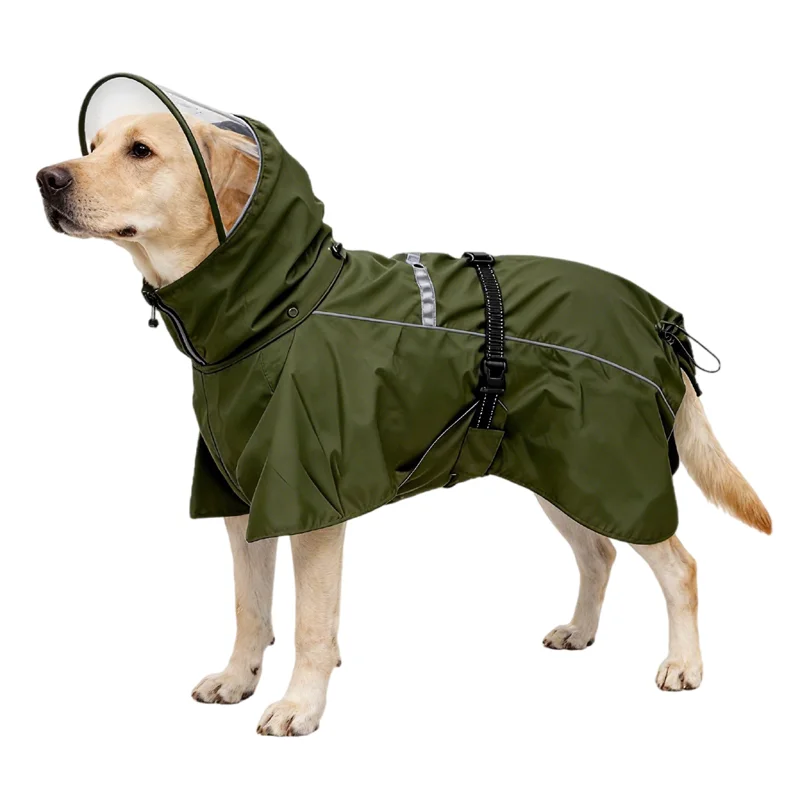
The lowest price is not always the best deal.
Two dog apparel factories may quote different prices because they are not quoting the same product. One price may include custom fabric, labels and packaging. Another may leave these items out.
To compare suppliers fairly, send them the same product information. Then check how they understand your product, prepare the sample and control bulk production.
The Short Answer
Use these five steps:
- Send every supplier the same product brief.
- Check whether they find missing details.
- Compare what each quotation includes.
- Use the sample to test the supplier.
- Ask how they will control bulk production.
Do this before choosing the lowest price.
1. Send the Same Product Brief
Start with one clear product brief.
Send the same files to every supplier. If the information is different, the prices will not be easy to compare.
Your brief should include:
- Product drawing or reference photos
- Product use
- Size chart
- Fabric requirements
- Colours
- Logo size and position
- Labels and packaging
- Quantity by colour and size
- Target delivery date
- Shipping term
You do not need a perfect Tech Pack at this stage. But each supplier must receive the same information.
Also ask suppliers to use the same Incoterms rule and named place. Incoterms explain which shipping costs, duties and risks belong to the buyer or seller. Review the ICC Incoterms® 2020 rules.
2. Check Whether the Supplier Finds Missing Details
A good supplier should not only say, “Yes, we can make it.” The supplier should first check your product information.
For example, they may ask:
- Is this a body measurement or a garment measurement?
- What is the fabric weight?
- Does the fabric need stretch?
- How water-resistant should the garment be?
- What type of zipper or snap is required?
- What is the logo size?
- What packaging is needed?
These questions are useful. They show that the supplier is trying to understand the product before quoting.
A Real Bestone Dog Raincoat Example
In one anonymized project, a client sent Bestone a technical document for a dog raincoat.
The document only said, “Use a waterproof material.” This was not enough for accurate material selection.
Bestone suggested a nylon outer fabric with a water-resistant coating. Among the materials reviewed for that project, this option was soft, resisted daily wear and provided protection from light rain.
Bestone also sent the client a fabric colour card. The client approved the sample and then placed an order.
This example does not claim that the fabric passed a laboratory waterproof test. It shows why the supplier should turn a general request into a material option that the buyer can see, touch and test.
“Water-repellent” and “waterproof” do not mean the same thing. ISO 4920:2012 tests how water wets the surface of a fabric. It does not test whether water passes through the fabric. ISO 811:2018 uses water pressure to test resistance to water passing through fabric.
If water resistance matters, tell the supplier what performance you need. Also check the seams, zipper and openings. A good fabric alone does not make the whole raincoat waterproof.
3. Compare What the Price Includes
Do not compare only the final number. First, check what is included in each price.
| Check | What to confirm |
|---|---|
| Fabric | Type, weight, colour and coating |
| Other materials | Lining, binding, padding and elastic |
| Branding | Logo method, size and position |
| Sizes | Which sizes are included |
| Packaging | Polybag, label, hang tag and carton |
| Sampling | Sample cost and number of samples |
| Testing | Which tests are included |
| Shipping | Incoterms rule and named place |
Ask the supplier to list anything that is not included.
One supplier may include a custom colour and retail packaging. Another may quote a stock colour with a basic polybag. The second price may look lower, but it is not for the same product.
See Bestone’s custom dog apparel manufacturing options.
4. Use the Sample to Test the Supplier
A sample does more than show the product. It also shows how the supplier works.
Check the fabric, colour, size, fit, ease of movement, closures, logo, stitching, labels and packaging.
Write all comments in one clear list. Use numbers for every change. Add photos when possible.
- Increase the chest width by 2 cm.
- Move the logo 1 cm higher.
- Change the zipper colour to black.
- Use the approved blue fabric.
Ask the supplier to confirm each change in writing.
If a change affects the fit, fabric or construction, ask for another sample. Do not wait until bulk production to check it.
View Bestone’s general sample development process.
Upload Specs for a Supplier-Switch Review
If you are comparing a new supplier with your current factory, send Bestone your Tech Pack or reference photos, size chart, material requirements, current quotation or sample problem, target quantity and sales market.
Use the Bestone project review form.
Bestone can check for missing specifications, material risks and unclear quotation items. The review can also show what information is needed before the next sample.
5. Ask How Bulk Production Will Be Controlled
The approved sample should become the standard for bulk production.
Before placing the order, confirm the final size chart, measurement method, approved fabric and colour, logo, parts, stitching, labels, packaging, final sample and all approved changes.
Then ask how the supplier will inspect the order.
A useful answer should explain what is checked before cutting, during sewing and before packing. It should also explain how sizes and defects are recorded.
“Strict QC” is not a clear answer.
AQL means Acceptance Quality Limit. It is a system for checking a sample from a production batch. ISO 2859-1:2026 describes sampling plans for this type of inspection.
The correct inspection level and defect limits should be agreed for each order. There is no single AQL setting that fits every dog apparel product.
Review Bestone’s quality-control process.
A Simple Final Check
| Question | Good sign |
|---|---|
| Did the supplier understand the product? | They asked clear and useful questions. |
| Is the quotation complete? | It lists what is included and excluded. |
| Was the sample made correctly? | It matches the agreed material, size and details. |
| Are changes written down? | The supplier confirms every change. |
| Is the bulk-control plan clear? | The supplier explains how production will be checked. |
If the answer to several questions is “no,” do not choose the supplier based only on price.
Common Questions
Should I choose the supplier with the best sample?
Not always. Check whether the same material and construction can be used in bulk production.
What if I do not have a complete Tech Pack?
Send the information you have. Ask the supplier to list what is missing. Complete the main details before approving the final quotation.
Can I compare prices based on different fabrics?
Not directly. Ask every supplier to quote the same fabric first. Compare alternative materials separately.
Does a factory certificate guarantee product quality?
No. A certificate does not replace a clear product specification, an approved sample and an order-specific inspection.
When should I choose the final supplier?
Choose after comparing the same product brief, full quotation, sample, change records and bulk-production control plan.
Key Takeaways
- Send the same information to every supplier.
- Ask suppliers to find missing details.
- Check what each price includes.
- Use the sample to test both the product and supplier.
- Keep all changes in writing.
- Confirm how the approved sample will control bulk production.
- Do not choose by unit price alone.
Upload Specs for a Supplier-Switch Review
Send your product files through the Bestone contact page.
Include your Tech Pack or reference photos, size chart, material needs, current quotation or sample problem, target quantity and sales market.
Bestone can help identify missing information, material risks and unclear quotation items before you start the next sample.
Author: Jessica Liu
Technical reviewer: Bestone Product Development/QC Team — final approval required before publication
Last reviewed: September 1, 2026

 English
  العربية
  Dansk
Dansk  Nederlands
  Français
  Italiano
  한국어
한국어  Norsk bokmål
  Português
  Русский
  Српски језик
  Español
  Svenska
  日本語
日本語  Deutsch