Skip to content

🚀 Quick Start Guide: Private Label Pet Product Success
| Product Category | Market Size 2024 | Growth Rate | Initial Investment |
|---|---|---|---|
| Dog Leashes | $5.8 billion | 6.2% annually | $15,000-$40,000 |
| Dog Harnesses | $4.2 billion | 7.1% annually | $12,000-$35,000 |
| Dog Collars | $3.9 billion | 5.8% annually | $10,000-$25,000 |
| Pet Clothing | $6.1 billion | 8.3% annually | $8,000-$30,000 |
Starting your own private label pet product line has never been more exciting. Moreover, the global pet accessories market is booming, reaching $30.6 billion in 2024 and expected to grow to $49.0 billion by 2033. As Jessica, founder of a leading pet product manufacturer, I’ve seen countless entrepreneurs successfully launch their brands using the right strategy and guidance.
Furthermore, this comprehensive guide will walk you through every essential step to launch your private label pet product line.
Step 1: Research Market Opportunities and Size Your Niche
Understanding the Pet Accessories Landscape
Before diving into your private label pet product line, you need to understand where the biggest opportunities exist. Additionally, the pet accessories market isn’t just growing—it’s exploding with specific trends that smart entrepreneurs can capitalize on.
The numbers tell an incredible story. Furthermore, global pet accessories reached $30.6 billion in 2024, with projections showing continued growth of 5.38% annually through 2033. Meanwhile, U.S. pet owners alone spent $34.3 billion on supplies and over-the-counter medicine in 2024.
“The pet industry is going through some of its best years…Businesses that focus on strong product quality, compliance, and customization can carve out a niche.” — Sunny Geng, Pet Industry Consultant
Identifying Profitable Product Categories
Not all pet products offer the same profit potential. Moreover, here’s what the data shows about the most promising categories for your private label pet product line:
- Dog leashes and harnesses: Combined market of $10 billion with 6-7% annual growth
- Pet clothing and accessories: Fastest-growing segment at 8.3% annually
- Safety and tech-enabled products: Premium pricing with 12-15% growth rates
- Eco-friendly alternatives: 24% year-over-year growth in sustainable pet products
Market Research Tools and Techniques
Successful market research goes beyond just looking at overall numbers. Therefore, you need specific tools and methods to validate your private label pet product line idea:
Start with Google Trends to analyze search volume for pet product keywords. Then, use Amazon’s Best Seller lists to identify top-performing products in your chosen category. Additionally, platforms like starting an online pet store can provide valuable insights into e-commerce trends.


Step 2: Analyze Consumer Trends and Demands
Safety-First Movement
Today’s pet owners prioritize safety above everything else. Furthermore, this trend is driving innovation across all product categories in your private label pet product line. For instance, safety-focused leash variants saw 7% unit growth in 2024, while reflective and LED-integrated products command premium pricing.
Smart entrepreneurs are incorporating safety features like reflective stitching, breakaway clasps, and shock-absorbing materials. Moreover, these features not only improve pet safety but also allow you to charge 20-30% higher prices than basic alternatives.
Sustainability and Eco-Consciousness
Environmental awareness is reshaping consumer preferences dramatically. Additionally, eco-friendly pet products experienced 24% year-over-year growth in North America alone. Therefore, incorporating sustainable materials into your private label pet product line isn’t just trendy—it’s profitable.
Industry Insight: According to recent surveys, 68% of millennial pet owners actively seek eco-friendly pet products, even if they cost 15-25% more than traditional alternatives.
Technology Integration Trends
Smart pet products represent the fastest-growing segment within the industry. Furthermore, GPS-enabled collars, LED safety lights, and Bluetooth connectivity features are becoming mainstream expectations rather than luxury add-ons.
The smart pet product segment grew 12% in 2024, with particularly strong demand for tracking and safety technologies. Therefore, consider how you can integrate simple tech features into your private label pet product line without overwhelming complexity or costs.
Step 3: Choose Your Product Category and Specialization
Evaluating Product Categories
Choosing the right product category for your private label pet product line requires careful consideration of multiple factors. Moreover, each category has different barriers to entry, profit margins, and growth potential.
Investment Requirements by Category
Different product categories require varying levels of initial investment for your private label pet product line. Additionally, understanding these requirements helps you choose the best starting point for your budget and goals.
Low-investment options ($8,000-$15,000): Basic collars, simple leashes, and bandanas offer the easiest entry point. Furthermore, these products have lower minimum order quantities and simpler manufacturing requirements.
Medium-investment categories ($15,000-$30,000): Dog harnesses and clothing require more sophisticated manufacturing but offer higher margins and better differentiation opportunities.
Higher-investment specialties ($25,000+): Tech-enabled products, premium materials, and complex designs require larger upfront investments but command the highest prices and customer loyalty.
Single Product vs. Product Line Strategy
Deciding between launching a single product or complete product line affects everything from manufacturing to marketing. Moreover, each approach has distinct advantages for your private label pet product line.
Single product launches allow you to perfect one item, minimize initial investment, and test market response quickly. However, product line approaches create stronger brand recognition and higher customer lifetime value through cross-selling opportunities.
Step 4: Develop Your Unique Value Proposition
Differentiation Strategies That Work
Creating a compelling unique value proposition (UVP) is crucial for your private label pet product line success. Furthermore, with thousands of pet products available, you need clear reasons why customers should choose your brand over established competitors.
Successful differentiation often comes from solving specific problems that mainstream brands overlook. For example, many dog collar types focus on basic functionality, but innovative brands are adding features like antimicrobial treatments, weather resistance, and comfort padding.
“Wise pet owners have realized private label items are synonymous with dependable and top-tier quality at a more approachable cost compared to national brands.” — Sunny Geng, Pet Industry Consultant
Value-Based Positioning
Your private label pet product line needs to clearly communicate value beyond just price competition. Additionally, today’s pet owners make purchasing decisions based on multiple factors including safety, durability, style, and brand values.
Consider positioning strategies like “veterinarian-recommended safety features,” “sustainably sourced materials,” or “designed for active dogs.” Moreover, these positioning statements help customers understand exactly why your products deserve premium pricing.
Common UVP Mistakes to Avoid
Many new brands make critical mistakes when developing their value proposition. Therefore, avoid these common pitfalls that can doom your private label pet product line from the start:
- Generic quality claims: Saying “high quality” without specific proof or features
- Price-only positioning: Competing solely on lowest price creates unsustainable business models
- Feature overload: Listing too many features without clear benefits to pet owners
- Copycat strategies: Simply copying successful brands without adding unique value
Step 5: Find and Evaluate Manufacturing Partners
Types of Manufacturing Relationships
Choosing the right manufacturing partner is perhaps the most critical decision for your private label pet product line. Furthermore, understanding different partnership models helps you select the best fit for your goals and budget.
OEM (Original Equipment Manufacturer): You provide exact specifications and designs, while the manufacturer produces according to your requirements. This approach offers maximum control but requires more upfront design work.
ODM (Original Design Manufacturer): The manufacturer provides existing designs that you can customize with your branding. Additionally, this option reduces development time and costs while still allowing differentiation through materials, colors, and features.
Expert Tip: Most successful private label pet product lines start with ODM partnerships to minimize risk and investment, then gradually move toward OEM as their brands grow and requirements become more specific.
Key Evaluation Criteria
Not all manufacturers are created equal, especially for your private label pet product line. Therefore, use these essential criteria to evaluate potential partners:
Production Capabilities: Verify minimum order quantities, lead times, and capacity for scaling. Moreover, ensure they can handle your projected growth over the next 2-3 years.
R&D and Customization: Evaluate their ability to modify existing designs or develop new products. Additionally, strong R&D capabilities become crucial as your private label pet product line expands.
Red Flags to Avoid
Recognizing warning signs early can save you from costly mistakes with your private label pet product line. Therefore, be cautious of manufacturers who exhibit these red flags:
- No product samples: Legitimate manufacturers readily provide samples for evaluation
- Unusually low pricing: Extremely cheap quotes often indicate quality compromises or hidden costs
- Poor communication: Language barriers or slow responses can signal future production problems
- No references: Established manufacturers should provide references from existing clients
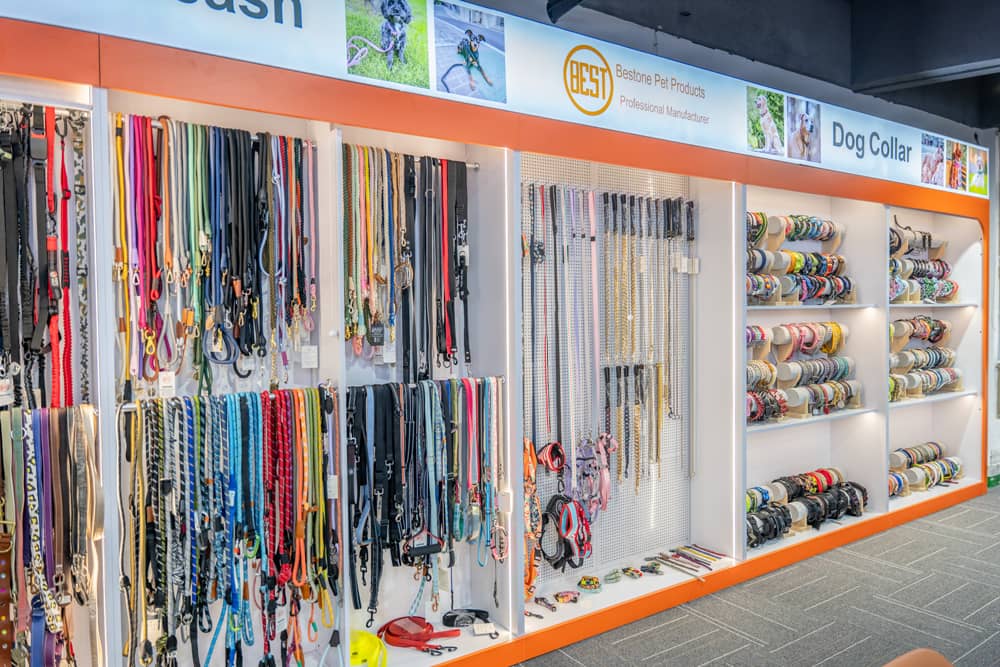

From Concept to Prototype
Transforming your private label pet product line ideas into physical products requires a systematic development approach. Moreover, successful product development follows proven stages that minimize risks and maximize market acceptance.
Start with detailed product specifications that include materials, dimensions, colors, and functionality requirements. Then, work with your manufacturer to create initial prototypes for testing and refinement. Additionally, this iterative process helps identify potential issues before mass production begins.
For example, when developing neoprene dog harnesses, prototyping reveals how different thicknesses affect comfort, durability, and manufacturing costs. Furthermore, testing with real dogs and owners provides invaluable feedback for improvements.
Material Selection Strategies
Material choices significantly impact your private label pet product line success in terms of cost, performance, and market appeal. Additionally, today’s consumers increasingly value sustainable and safe material options.
Traditional materials like nylon webbing and polyester remain popular for durability and cost-effectiveness. However, innovative alternatives like recycled PET (rPET), organic cotton, and bio-based polymers are gaining market share rapidly.
Sustainability Insight: Products made with rPET and organic cotton materials command 15-25% price premiums while appealing to environmentally conscious consumers who represent 68% of millennial pet owners.
Testing and Quality Assurance
Rigorous testing protects your brand reputation and ensures your private label pet product line meets safety standards. Furthermore, comprehensive testing protocols help you avoid costly recalls and liability issues.
Conduct tensile strength testing for leashes and collars, durability testing for harnesses and clothing, and colorfastness testing for all fabric products. Moreover, user testing with real pets and owners reveals practical issues that laboratory testing might miss.
Step 7: Ensure Compliance and Safety Standards
Understanding Regulatory Requirements
Compliance isn’t optional for your private label pet product line—it’s essential for legal operation and consumer trust. Furthermore, different product categories and target markets have specific requirements that you must understand and meet.
In the United States, pet products fall under Consumer Product Safety Commission (CPSC) guidelines, while mechanical components like leash clasps must meet ASTM F1561 standards. Additionally, if you plan to sell internationally, CE marking for European markets and other regional certifications become necessary.
For dog harness safety, specific standards address load limits, hardware durability, and material safety. Moreover, meeting these standards helps differentiate your products from lower-quality alternatives that flood the market.
Certification Processes and Costs
Obtaining proper certifications for your private label pet product line requires time and investment, but provides crucial competitive advantages. Additionally, certified products can access premium retail channels that require compliance documentation.
Budget $2,000-$8,000 per product category for comprehensive testing and certification. Furthermore, working with manufacturers who already have relevant certifications can significantly reduce these costs and timeframes.
Labeling and Documentation Requirements
Proper labeling protects consumers and your business from liability issues. Therefore, your private label pet product line must include all required information in clear, accessible formats.
Essential labeling elements include material composition, care instructions, size specifications, and safety warnings where applicable. Moreover, maintaining detailed documentation of all testing and certification helps protect your brand if issues arise later.
Step 8: Plan Your Supply Chain and Logistics
Inventory Management Strategies
Effective inventory management can make or break your private label pet product line profitability. Furthermore, balancing sufficient stock to meet demand while minimizing carrying costs requires strategic planning and forecasting.
Use historical sales data and market growth projections to forecast demand. For pet products, expect seasonal variations with higher sales during spring and fall months. Additionally, factor in lead times from your manufacturer when calculating reorder points.
Consider the 80/20 rule: typically, 20% of your SKUs will generate 80% of your sales. Therefore, focus inventory investment on these high-performing products while maintaining minimal stock of slower-moving items.
Fulfillment and Distribution Options
Choosing the right fulfillment strategy affects your private label pet product line costs, customer satisfaction, and scalability. Moreover, different approaches work better depending on your sales volume and target markets.
Self-fulfillment: Suitable for smaller volumes, offering maximum control but requiring significant time investment. Additionally, this approach works well when starting with local or regional sales.
Third-party logistics (3PL): Professional fulfillment services handle storage, picking, packing, and shipping. Furthermore, 3PLs experienced with pet products understand special handling requirements for items like durable dog toys and clothing.
International Expansion Considerations
Planning for international markets early helps your private label pet product line scale more efficiently. Additionally, understanding global logistics requirements prevents costly mistakes when you’re ready to expand.
Research import requirements, tariff implications, and local certification needs for target countries. Moreover, consider how different cultural preferences might affect product acceptance and marketing strategies.
Step 9: Develop Pricing Strategy and Financial Planning
Cost Structure Analysis
Understanding your true costs is fundamental to profitable pricing for your private label pet product line. Furthermore, many new brands underestimate hidden costs that can eliminate profitability if not properly accounted for.
Calculate all-in landed costs including manufacturing, shipping, duties, packaging, and fulfillment. Then add indirect costs like marketing, customer service, and overhead allocation. Additionally, factor in returns and defects which typically run 2-5% for pet products.
Financial Planning Tip: Target gross margins of 50-60% for retail sales and 30-40% for wholesale to ensure sufficient profit after all expenses. Moreover, high-profit dog products often achieve these margins through strong differentiation and quality positioning.
Competitive Pricing Analysis
Pricing your private label pet product line requires careful analysis of competitive alternatives and customer value perception. Additionally, understanding how customers evaluate price versus benefits helps optimize your pricing strategy.
Research comparable products across different channels including online marketplaces, pet specialty stores, and big-box retailers. Furthermore, analyze how features, materials, and brand positioning affect pricing in each segment.
For example, basic nylon leashes might retail for $8-15, while premium leather or smart-enabled versions command $25-45. Therefore, position your products based on the value they deliver rather than simply matching competitor prices.
Financial Projections and Break-Even Analysis
Creating realistic financial projections helps ensure your private label pet product line achieves profitability within reasonable timeframes. Moreover, understanding break-even points helps you make informed decisions about marketing investments and growth strategies.
Calculate how many units you need to sell monthly to cover all fixed and variable costs. Then project sales growth based on industry benchmarks and your marketing capabilities. Additionally, scenario planning helps you prepare for different growth rates and market conditions.
Step 10: Launch and Scale Your Brand
Multi-Channel Launch Strategy
Successfully launching your private label pet product line requires coordinated efforts across multiple sales channels. Furthermore, diversified channel strategies reduce risk while maximizing market reach and revenue potential.
E-commerce platforms: Start with your own website plus major marketplaces like Amazon, Chewy, and Petco. Additionally, optimize product listings with high-quality images, detailed descriptions, and customer reviews to maximize conversion rates.
Retail partnerships: Independent pet stores and regional chains often welcome innovative private label products. Moreover, these partnerships provide valuable feedback while building brand recognition in local markets.
Direct-to-consumer strategies: Building direct relationships with customers provides higher margins and valuable data. Furthermore, subscription models and loyalty programs increase customer lifetime value significantly.
Marketing and Brand Building
Effective marketing drives awareness and sales for your private label pet product line while building long-term brand equity. Additionally, pet owners are highly engaged and responsive to authentic, value-focused marketing messages.
Content marketing works particularly well in the pet industry. Create helpful guides about topics like choosing harnesses versus collars for puppies or essential summer accessories for dogs. Moreover, educational content builds trust while subtly promoting your products.
Social media engagement with pet communities, influencer partnerships, and user-generated content campaigns generate authentic awareness. Additionally, pet owners love sharing photos and stories about their animals, providing natural marketing opportunities.
Scaling and Growth Strategies
Once your initial private label pet product line gains traction, strategic scaling helps maximize long-term success. Furthermore, systematic growth approaches prevent common pitfalls that derail promising brands.
Expand your product line gradually based on customer feedback and sales data. Moreover, successful brands often introduce complementary products that work together, like matching harness and leash sets that increase average order value.
International expansion, wholesale partnerships, and acquisition opportunities become viable as your brand establishes market presence. Additionally, strong operational foundations built during launch enable successful scaling without compromising quality or customer satisfaction.
Ready to Launch Your Private Label Pet Product Line?
Launching a successful private label pet product line requires careful planning, quality manufacturing partners, and strategic execution. Moreover, the pet industry offers tremendous opportunities for entrepreneurs who approach it strategically. With market growth rates of 5-8% annually and increasing consumer willingness to spend on premium products, your timing couldn’t be better.
By following this comprehensive 10-step guide, you’re equipped with the knowledge and strategies needed to build a successful business. Remember, success comes from combining quality products, strong partnerships, and customer-focused marketing strategies.
🚀 Ready to Turn Your Pet Product Dreams Into Reality?
At Bestone, we’ve helped hundreds of entrepreneurs launch successful private label pet product lines over our 16 years in the industry. Our comprehensive ODM and OEM services cover everything from initial concept development to final production and quality control.
✅ 16+ Years Manufacturing Experience
✅ Full Product Development Support
✅ Quality Certifications & Compliance
✅ Flexible MOQs for Growing Brands
✅ End-to-End Project Management
People Also Ask
What’s the minimum investment needed to start a private label pet product line?
Initial investment typically ranges from $8,000 to $40,000 depending on your chosen product category. Basic items like collars and simple leashes require lower investments ($8,000-$15,000), while complex products like smart harnesses or premium clothing lines need $25,000-$40,000. This covers minimum order quantities, product development, testing, and initial marketing costs.
How long does it take to launch a private label pet product from concept to market?
Most successful launches take 4-7 months from initial concept to market availability. This timeline includes 1-2 months for research and development, 1 month for prototyping and testing, 2-3 months for production, and 1 month for quality control and shipping. Rushing this process often leads to quality issues or compliance problems.
What are the most profitable private label pet product categories?
Pet clothing shows the highest growth rates at 8.3% annually, followed by smart/tech-enabled products at 12% growth. However, traditional categories like leashes and harnesses offer more stable demand with 6-7% annual growth. Profitability depends more on differentiation and quality than category selection.
Do I need special certifications for pet products?
Yes, most pet products require specific safety certifications. Leashes and collars need ASTM F1561 compliance, while electronic products require FCC approval. International sales need additional certifications like CE marking for Europe. Working with experienced manufacturers who understand these requirements saves time and ensures compliance.
Should I start with one product or a complete product line?
Most successful brands start with 1-3 core products to minimize risk and investment while testing market response. Once you establish demand and refine your processes, expanding to complementary products like matching sets increases average order value and customer loyalty.
External Resources: