Skip to content
Quick Answer: The Top 6 Sustainable Collar Materials
If you are looking for the best eco-friendly material for your dog’s next collar, here is the cheat sheet. Each material serves a different purpose based on your dog’s lifestyle.
| Material | Best Feature | Perfect For |
|---|---|---|
| Hemp | Durability Champion | Strong pullers & active dogs |
| Recycled Plastic (rPET) | Ocean Saver | Water lovers & swimmers |
| Organic Cotton | Ultimate Comfort | Dogs with sensitive skin |
| Bamboo | Fast-Growing & Soft | All-day wear |
| Cork | Vegan Leather | Stylish city dogs |
| Biothane | Performance Hybrid | Extreme muddy adventures |

As the founder of Bestone, I have spent the last 16 years in the pet manufacturing industry. I have watched the market shift from cheap, mass-produced plastics to high-quality, sustainable alternatives. Today, eco-friendly is more than just a buzzword—it is a requirement for modern pet owners.
Whether you are a pet parent wanting to reduce your carbon pawprint or a brand owner looking for reliable dog collar manufacturers, understanding these materials is critical. This guide breaks down the best eco-friendly options available in 2025 so you can make an informed choice.
Why Eco-Friendly Dog Collars Matter
You might be wondering, “Does one dog collar really make a difference?” The answer is yes. Traditional pet accessories are often made from virgin nylon or polyester—essentially plastic derived from petroleum. These materials can take hundreds of years to decompose in landfills.
Currently, over 8 million tonnes of plastic waste enters our oceans every year. By switching to sustainable materials, we aren’t just buying a product; we are voting for a cleaner planet. Plus, as the trend of “humanization of pets” grows, we want our dogs to wear products that are as safe and non-toxic as the clothes we wear ourselves.
“Eco-friendly design starts with material choices…eco-friendly is more than a buzzword; it’s a core value and a key driver of trust.”
— Sustainability-focused pet brand founder (2024 LinkedIn Article)
Choosing the right material also impacts your dog’s health. Many cheap synthetic collars contain dyes or chemicals that can irritate a dog’s neck. Sustainable pet supplies often use natural dyes and hypoallergenic fibers, making them safer for long-term wear.
The Top 6 Eco-Friendly Materials for Dog Collars
Not all “green” collars are created equal. Here is a deep dive into the top six materials dominating the market today.
1. Hemp: The Durability Champion
Hemp is widely considered the “workhorse” of eco-friendly fabrics. It is a natural fiber that is incredibly strong—in fact, it has three times the tensile strength of cotton.
- Why it wins: Hemp is naturally antimicrobial and resistant to mold and mildew. This means if your dog goes for a swim and the collar stays damp, it won’t develop that “wet dog” smell as quickly as a nylon collar would.
- Sustainability: It grows without pesticides and requires very little water compared to other crops.
- Comfort: While it can feel slightly stiff at first, hemp softens with wear, becoming incredibly comfortable over time.
If you have a strong dog that pulls, hemp is often the strongest material choice.
2. Recycled Plastic (rPET): The Ocean Saver
Recycled Polyethylene Terephthalate, or rPET, is a fabric made from recycled plastic bottles. It is one of the most popular choices for modern eco-collars because it turns waste into something useful.
According to a Plastics For Change collaboration, “We use ocean-bound plastic to create our leashes and collars… every ton of virgin plastic offset by recycled plastic saves significant CO2.”
- Why it wins: It mimics the feel and durability of standard nylon but uses 75% less energy to produce. It is also lightweight and usually waterproof.
- Best for: Water dogs and outdoor adventures. It dries quickly and is easy to wipe clean.
We are seeing a huge surge in rPET pet fashion because it allows brands to offer vibrant colors and patterns while staying green.
3. Organic Cotton: The Comfort Choice
If your dog has sensitive skin or suffers from contact dermatitis, organic cotton is your best friend. Unlike conventional cotton, organic cotton is grown without toxic pesticides or synthetic fertilizers.
- Why it wins: It is hypoallergenic, breathable, and incredibly soft. It prevents chafing around the neck, which is crucial for hairless breeds or dogs with thin coats.
- Trade-off: It is not as strong as hemp or nylon, so it is better suited for smaller dogs or calm walkers rather than heavy pullers.
For more tips on selecting the right gear for sensitive dogs, check out our guide on choosing the right dog collar.
4. Bamboo: The Fast-Growing Alternative
Bamboo is famous for being one of the fastest-growing plants on Earth. It regenerates from its own roots, meaning it doesn’t need to be replanted after harvest.
- Why it wins: Bamboo webbing is silky soft, almost like a blend between cotton and silk. It is naturally moisture-wicking and thermal-regulating, keeping your dog cool in summer.
- Sustainability Note: Always look for brands that disclose how their bamboo is processed (mechanical processing is more eco-friendly than chemical).
5. Cork: The Sustainable Luxury Option
Cork is harvested from the bark of the cork oak tree without harming the tree itself. It is often called “vegan leather” because it has a premium, leather-like look but is cruelty-free.
- Why it wins: It is naturally water-resistant, lightweight, and easy to clean. It gives a stylish, upscale look that is perfect for city walks.
- Durability: While durable, it is best for everyday wear rather than extreme rough-and-tumble play.
6. Biothane: The Performance Hybrid
Biothane is a polyester webbing with a coating. While not a “natural” fiber, it is often included in eco-conversations because it is a longer-lasting alternative to cheap PVC and leather (which has a high chemical footprint from tanning).
- Why it wins: It is waterproof, stink-proof, and practically indestructible. It wipes clean in seconds.
- Best Use: Ideal for hunting dogs, working dogs, or dogs that live in muddy environments.
For a deeper comparison of water-resistant materials, you can read about waterproof vs. water-resistant fabrics.
Bestone’s Eco-Friendly Material Examples
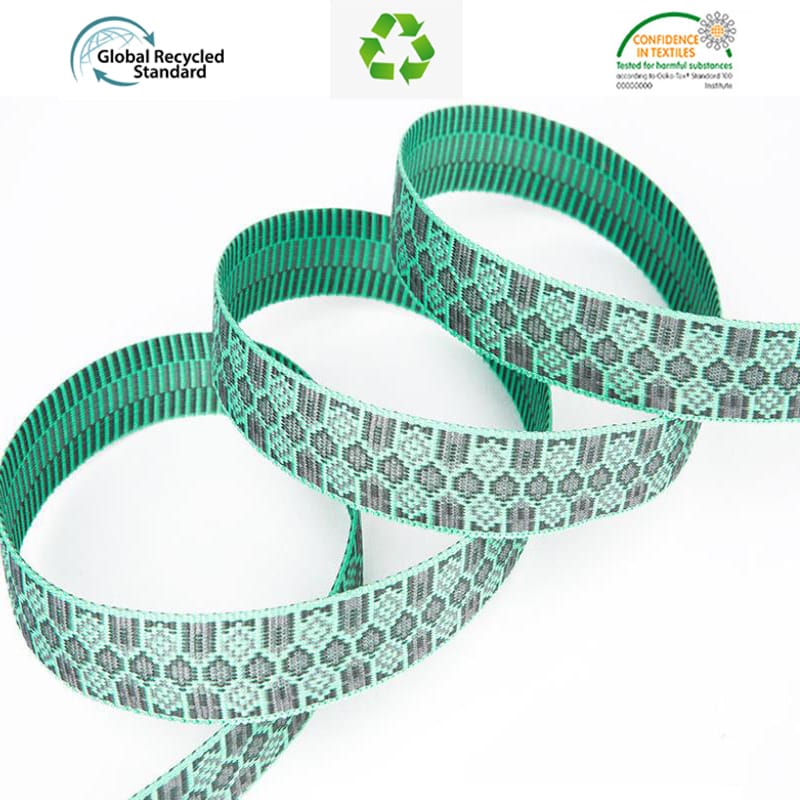

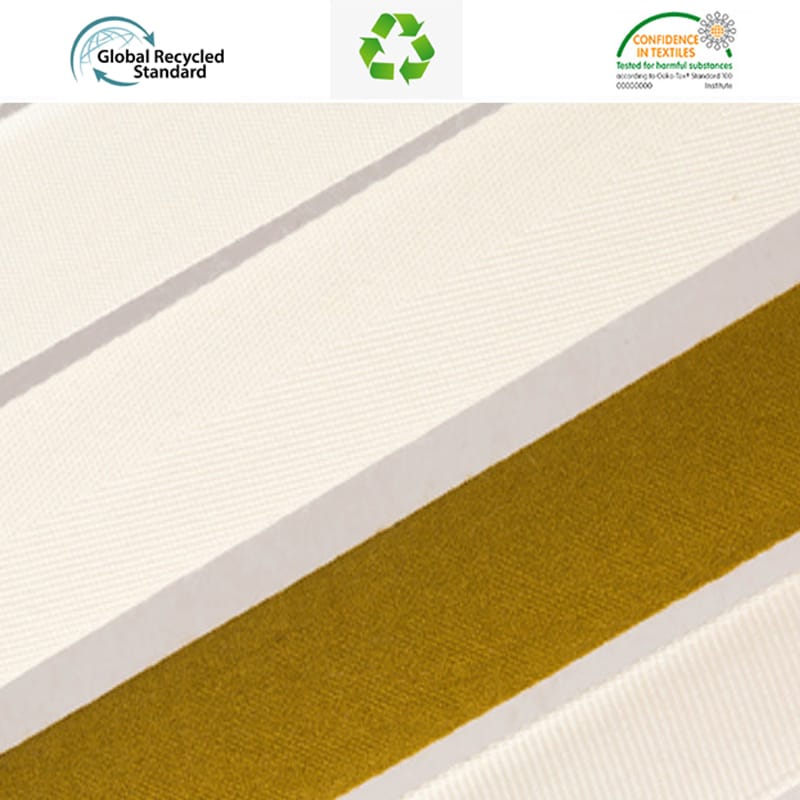
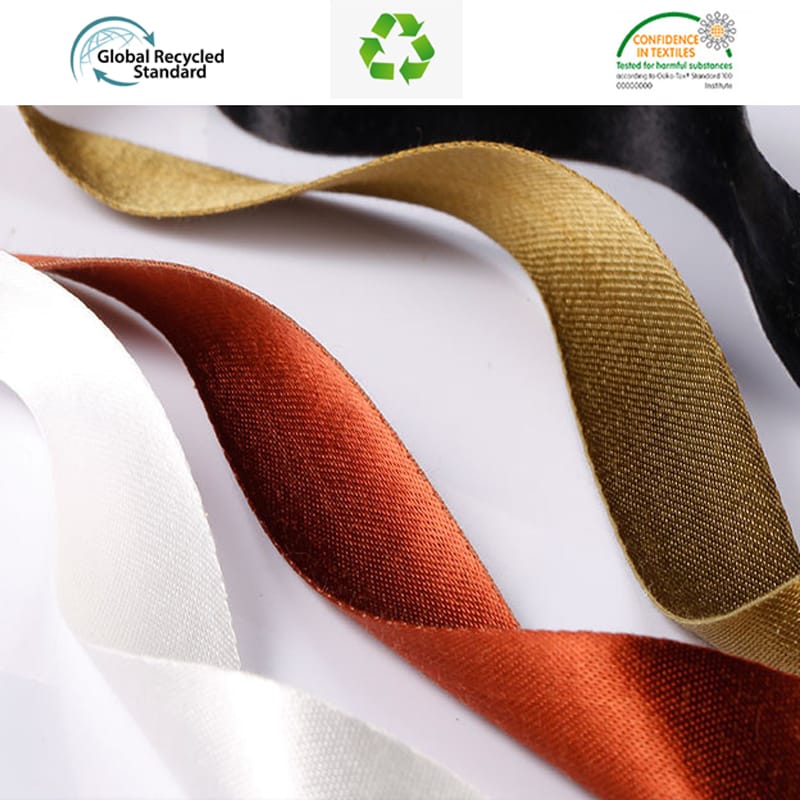
At Bestone, we specialize in manufacturing these exact types of high-quality products for brands worldwide. Here is a glimpse of what these materials look like in finished products:
Side-by-Side Comparison: Which Material is Right for You?
Still not sure? Use this comparison to decide based on your dog’s specific needs.
| Feature | Hemp | rPET | Organic Cotton | Biothane |
|---|---|---|---|---|
| Durability | Very High | High | Medium | Extreme |
| Water Resistance | Good (Dries slow) | Excellent | Low (Absorbs) | Waterproof |
| Softness | Medium | Medium | Very High | Low (Stiff) |
| Eco Rating | Excellent | Good | Excellent | Fair |
How to Spot “Greenwashing” in Pet Products
As the demand for green products grows, so does “greenwashing”—when companies claim to be eco-friendly but aren’t. A collar might be labeled “natural” but still use toxic glues or plastic buckles that break easily.
To verify authenticity:
- Check for Certifications: Look for labels like GOTS (Global Organic Textile Standard) for cotton or GRS (Global Recycled Standard) for plastics.
- Ask the Manufacturer: Reputable brands and manufacturers (like us at Bestone) can provide material certifications upon request.
- Avoid Vague Terms: Be wary of products that just say “Eco-Friendly” without specifying the material (e.g., “Made from 100% natural fibers” vs. “Made from 100% GOTS Certified Organic Cotton”).
If you are looking to start a pet supplies brand, vetting your suppliers for these certifications is the most important step you can take.
Industry Trends: The Future is Green
The pet industry is undergoing a massive transformation. The global sustainable pet products market reached $35.1 billion in 2024 and is growing fast.
“With growing environmental knowledge, the demand for sustainable dog collars made from organic, recycled, and cruelty-free materials is on the rise, pushing manufacturers to incorporate eco-friendly fabrics such as hemp and bamboo.”
— Market commentary in a 2025 dog collars industry outlook.
We are also seeing a shift in B2B purchasing. Retailers know that modern consumers read labels. A pet industry strategist recently noted that “products must deliver value and trust… innovation needs to speak to wellness and sustainability.”
If you are a business buyer, stocking high-profit sustainable dog products is a smart move for 2025 and beyond.
Frequently Asked Questions (People Also Ask)
Are hemp dog collars truly durable?
Yes! Hemp is one of the strongest natural fibers available. It resists stretching and does not degrade in saltwater, making it more durable than standard cotton and comparable to heavy-duty nylon.
Can dogs be allergic to collar materials?
Absolutely. Many dogs develop rashes from the chemicals in cheap nylon or nickel in the hardware. Switching to hypoallergenic materials like organic cotton or hemp often solves these skin issues. Always check safety recommendations regarding collar tightness and materials.
Do eco-friendly collars cost more?
They typically have a slightly higher upfront cost ($5-$10 more) than basic plastic collars. However, because materials like hemp and rPET are so durable, they often last longer, saving you money in the long run.
Conclusion: Making the Right Choice
Choosing an eco-friendly dog collar is a small step that makes a big impact. whether you choose the rugged durability of hemp, the softness of organic cotton, or the ocean-saving power of rPET, you are contributing to a healthier planet for your pet.
The demand for these products is only going to grow. According to SPINS 2024 commentary, “The demand for eco-friendly pet products is on the rise… as manufacturers respond to this demand, we can anticipate further innovation in sustainable pet solutions.”
Are you a brand looking to create your own line of eco-friendly pet accessories?
At Bestone, we are ready to help. With our mature supply chain and rapid prototyping capabilities, we can bring your sustainable product ideas to life. From custom recycled webbing to organic cotton sourcing, we tailor every detail to match your brand’s unique standards.
Let’s build a greener future for our pets, together.
External Resources:
1. Global Sustainable Pet Products Market Analysis
2. PetMD: Eco-Friendly Pet Products Guide
3. Global Organic Textile Standard (GOTS) Database