Skip to content

Quick Summary: The Sourcing Safety Cheat Sheet
In a rush? Here is the “Cheat Sheet” every importer needs to avoid costly disasters. Use this to check your process instantly.
| The Mistake | The Risk | The Solution |
|---|---|---|
| 1. Vague Specs | Wrong product made | Detailed Tech Packs & Signed Samples |
| 2. Price Focus | Poor quality/safety issues | Balance Cost vs. Quality Standards |
| 3. No Due Diligence | Scams or unethical factories | Verify Licenses & Request References |
| 4. Ignoring Rules | Customs seizures/fines | Know CPSIA, REACH, & FDA laws |
| 5. Skipping QC | Defective batches shipped | 3rd Party Inspections (Pre-shipment) |
| 6. Poor Comms | Production delays | Visual aids & Written summaries |
| 7. No Testing | Toxic contamination (Recalls) | Mandatory Lab Testing & COAs |
The pet industry is growing incredibly fast. In fact, experts predict the market will reach a massive $346.01 billion by 2025. This is great news for business owners like you. However, there is a scary side to this growth. As demand goes up, so does the number of safety recalls.
Sourcing products from overseas is a smart business move, but it can be tricky. My name is Jessica, and I am the founder of Bestone. I have spent the last 16 years in the trenches of the pet product manufacturing industry. I have seen brands succeed wildly, and I have seen others fail because of simple mistakes.
I wrote this guide to help you build a brand that pet owners can trust. Whether you are looking for collars, leashes, or toys, avoiding these seven mistakes is the key to your success.
Expert Insight: “Choosing the right manufacturing partner is crucial for product quality and scalability… a strategic approach to manufacturing and compliance will give you a competitive edge in this growing industry.” — Gembah, Dog Product Manufacturing Guide 2025.
Mistake #1: Neglecting Detailed Product Specifications (The “Tech Pack” Gap)
Why “Almost Correct” is Dangerous
One of the biggest errors I see new business owners make is being vague. You might tell a factory, “I want a blue dog harness.” But to a manufacturer, “blue” could mean a thousand different shades. “Medium size” differs from country to country.
When you leave things open to interpretation, the factory will guess. And if they guess wrong, you lose money. In manufacturing, we call your instructions a “Tech Pack.” If your Tech Pack is missing details on stitching, material thickness, or buckle types, you are taking a huge gamble.
The Power of Rapid Prototyping
To fix this, you need to be exact. Before you order thousands of items, you must see a sample. This is where understanding the manufacturing guide becomes vital. Never approve mass production based on a drawing alone. You need to hold the prototype in your hands.
Jessica’s Pro Tip: Always require a “signed sample.” This is a physical version of your product that you have signed and sent back to the factory. The factory must match every single unit to that signed sample. This removes the “guessing game” completely.
Mistake #2: Prioritizing Price Over Quality (The “Hidden Cost” Trap)
The High Cost of Being Cheap
We all want to save money. However, in the pet industry, the cheapest price usually comes with a hidden cost. If a factory offers you a price that seems too good to be true, they are cutting corners somewhere. Usually, they are using cheaper, weaker materials.
Imagine selling a dog leash that snaps when a dog chases a squirrel. That is not just a refund; that is a lawsuit waiting to happen. Prioritizing price over safety destroys your brand reputation instantly. You must choose durable materials that can withstand actual pet use.
Safety First, Profit Second
Pet owners today are smart. They look for quality. If you sell a premium product, you can charge a premium price. Don’t fight to be the cheapest; fight to be the best. Sustainable and safe materials are now a major selling point.
Sustainability Insight: Brands like West Paw, Petmate, Billy + Margot, and Betty & Butch demonstrate how partnering with the right manufacturers enables circular materials, recycled content, and closed-loop programs that become core to brand storytelling.
Mistake #3: Overlooking International Regulatory Requirements (The Customs Nightmare)
The Alphabet Soup of Rules
Every country has different rules for pet products. If you ignore them, Customs will seize your shipment. You will lose your products and your money.
- USA: You need to worry about CPSIA for lead and phthalates. FDA rules apply if you are importing food or bowls.
- Europe: You must comply with REACH standards, which are very strict about chemicals.
Stay Updated on Tariffs
Besides safety rules, you must understand taxes. Tariffs can change quickly. For example, knowing about tariff reductions for China imports can save you a lot of money. Always work with a freight forwarder who knows the current laws so you don’t get a surprise bill at the port.
Mistake #4: Underestimating Quality Control and Third-Party Inspection Needs
Don’t Let the Fox Guard the Hen House
You cannot rely on the factory to inspect themselves. It is not that they are dishonest, but they might miss things. Or, they might have a different standard of “good enough” than you do.
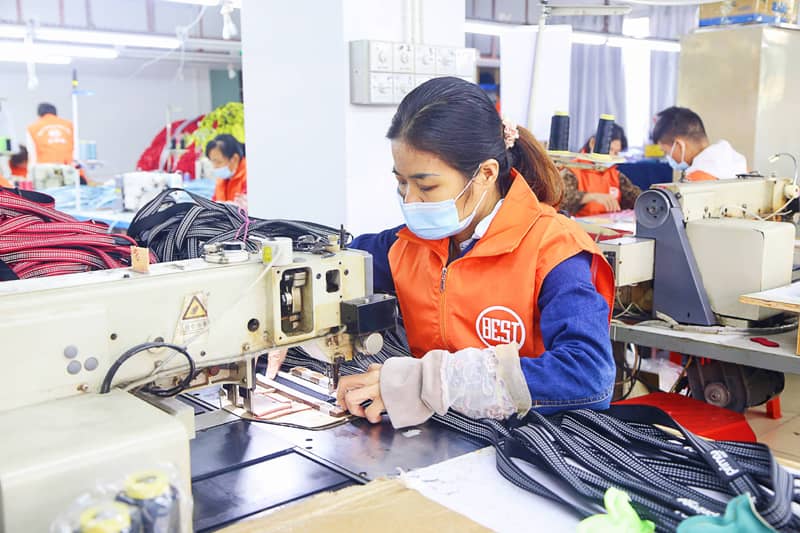
Professional importers always use a “Third Party Inspection.” This means you hire an independent company to go to the factory. They open boxes, check the products, and test them before they are shipped. This is a crucial part of sourcing pet supplies correctly.
When to Inspect
We recommend inspections at three stages:
- Pre-production: Check the raw materials.
- During production: Catch mistakes early while they can still be fixed.
- Pre-shipment: The final check before the goods get on the boat.
This might cost a little extra, but it is much cheaper than receiving a container full of broken toys.

Mistake #5: Failing to Establish Clear Communication Protocols with Suppliers
Lost in Translation
Language barriers are real. Furthermore, time zones can make communication slow. If you send a long, confusing email, the factory might misunderstand what you want. This leads to production delays and frustration.
You need a system. Don’t just rely on email. Use apps like WeChat or WhatsApp for quick questions. However, always document important decisions in a formal email or contract.
Visuals Over Words
A picture is worth a thousand words. Instead of describing a stitching pattern, send a photo. Draw arrows on pictures to show exactly what you mean. The more visual you are, the less likely mistakes will happen.
“Function-first design is dominating 2025’s pet accessory trends.” — Angela Murray, CEO of PawsMatter
Mistake #6: Ignoring Contamination Risks and Heavy Metal Testing Requirements
The Invisible Threat
This is the most serious mistake. Some materials can contain invisible poisons like Lead, Mercury, or Arsenic. This is especially true for painted items or metal clips. In 2024, recalls for contamination spiked significantly.
If a pet gets sick because of your product, your business is over. You cannot assume materials are safe. You must verify them. This is especially important if you are looking into sustainable pet supplies like recycled plastics—you must ensure the recycled source is clean.
Mandatory Testing
You must require a “Certificate of Analysis” (COA) for your materials. Additionally, send random samples to a lab in your own country for testing. Do not skip this step.
Stat or Report: Brands like Petmate divert over 60 million pounds of post‑industrial waste annually and use up to 95% recycled polypropylene in kennels, while West Paw runs a closed-loop recycling program for plastic toys. (Plastics Engineering, 2025).
People Also Ask (FAQ Section)
Q1: How do I ensure my pet products are eco-friendly?
Ask for material certifications like GRS (Global Recycled Standard) for recycled fabrics. Work with manufacturers who specialize in eco-friendly options. For example, if you want to source RPET or organic cotton fashion, ensure the factory has the supply chain to prove it.
Q2: What is a reasonable MOQ (Minimum Order Quantity) for custom pet accessories?
MOQs vary. For custom colors or materials, it might be 500 to 1,000 units. However, for standard items, it could be lower. If you are just starting a pet clothing business, try to negotiate a lower MOQ for your first trial order.
Q3: How do I handle quality control from overseas?
You don’t have to do it yourself. Hire a third-party inspection agency based in China. They act as your eyes and ears on the ground. They will send you a detailed report with photos within 24 hours of the inspection.

Conclusion: Building a Brand on Trust, Not Just Products
Sourcing from overseas offers incredible opportunities to build a profitable business. But as we have discussed, it requires more than just finding the lowest price. It requires diligence, clear communication, and a refusal to compromise on safety.
By avoiding these seven common mistakes, you are protecting your future customers—the pets—and their owners. You are building a brand that stands for quality.
Ready to Source with Confidence?
At Bestone, we combine 16 years of manufacturing expertise with strict quality control and seamless communication. We help you navigate these challenges so you can focus on growing your brand.