Skip to content

Hi there! I’m Jessica, the founder of Bestone. Over the last 16 years, I have helped countless pet brands design and manufacture everything from harnesses to toys. But recently, one question pops up in almost every meeting I have with brand owners: “Jessica, we want to go green, but we can’t afford to raise our prices. Is it even possible?”
The short answer is: Yes. You do not have to choose between saving the planet and saving your profit margins.
Many people assume that “sustainable” automatically means “expensive.” While some new technologies are pricey, there are smart, strategic ways to swap materials and optimize designs that keep costs flat—or even lower them. If you are starting a pet supplies brand or looking to upgrade an existing line, this guide is for you.
The “Green Pricing” Cheat Sheet
Before we dive into the details, here is a quick look at where the costs actually come from. This table shows you that going green doesn’t always mean paying double. In fact, smart swaps can balance out the costs.
| Strategy | Cost Impact | Why It Works |
|---|---|---|
| Kraft Paper vs. Plastic | +5% to +10% | A tiny increase per unit, but widely accepted by customers. |
| Corrugated Cardboard | +5% to +15% | Protective and recyclable; cheaper in bulk. |
| Weight Reduction (Lightweighting) | SAVES 10-25% | Lighter packages mean lower shipping fees, offsetting material costs. |
| Recycled Polyester (rPET) | Neutral / Parity | Cost-competitive with virgin polyester at manufacturing scale. |
| Bioplastics (Plant-based) | +20% to +50% | High premium; only recommended for niche luxury items. |
Breaking Down the Numbers: The Real Cost of Going Green
Let’s be honest about money. When you look at a quote for eco-friendly packaging, it might look higher at first glance. But you need to look closer to see the real picture.
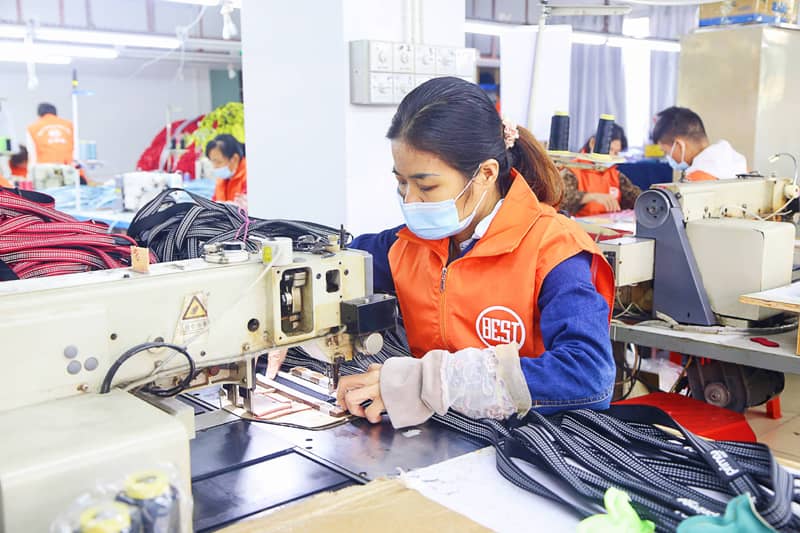

The 5-10% Reality vs. The 50% Myth
There is a big myth that sustainable packaging costs 50% more than plastic. This is usually only true if you are using very new, experimental materials like mushroom-based foam. For practical, everyday materials, the difference is much smaller.
For example, switching from a glossy plastic bag to a Kraft paper bag usually only adds about 5% to 10% to the packaging cost. If your collar costs $5 to make, the packaging might go from $0.20 to $0.22. That is a two-cent difference. Most brands can absorb two cents without needing to change the retail price tag on the shelf. In the world of dog collar packaging, simple paper solutions often look more premium than plastic, adding value to your brand.
Economies of Scale: Buying Bigger to Save More
Another reason green packaging seems expensive is that brands often buy it in small amounts. When you order small batches, the factory has to set up machines just for you, which costs time and money.
However, if you can plan ahead and order in bulk—let’s say 10,000 units instead of 500—the price gap almost disappears. Factories like ours can buy recycled materials in huge rolls, driving the price down. The more you make, the cheaper it gets. It is often smarter to commit to a larger order of eco-packaging to get that lower price point than to stick with cheap plastic in small batches.
According to McKinsey’s 2023 global survey on sustainable packaging, most consumers say they are willing to pay more for sustainable packaging, but willingness varies by income and category, which means brands must carefully choose where to pass through cost and where to protect price points.
Design Strategies to Cut Costs Without Sacrificing Quality
You don’t always need cheaper materials to save money. sometimes, you just need a smarter design. This is where a good manufacturer can help you “engineer” the cost out of your product.
Lightweighting & Right-Sizing
Have you ever received a tiny item in a giant box filled with plastic air pillows? That is a waste of money. “Lightweighting” means redesigning your packaging to use the absolute minimum amount of material needed to keep the product safe.
For example, instead of using a thick cardboard box for a soft dog harness, you could use a thin, durable recycled paper sleeve or a belly band. This uses 80% less material. Less material means less cost. Even if the recycled paper is more expensive per pound than plastic, you are using so little of it that the total cost goes down.
Smart Minimalism
Minimalism is trendy, and it is also budget-friendly. You can remove unnecessary layers like tissue paper, extra hang tags, or those plastic windows on boxes. A dog recovery suit doesn’t need three layers of wrapping.
By simplifying the design, you reduce the raw material bill. You also speed up the packing process in the factory because there are fewer steps. Time is money, so simpler packaging saves on labor costs, too. This savings can be used to pay for the slightly higher cost of eco-friendly ink or paper.
A 2025 overview of eco-friendly pet products highlights that each toy or bed made with recycled plastics can divert dozens of bottles from landfill, helping brands quantify impact per unit in marketing materials aimed at retailers and distributors.
The Logistics Secret: How Eco-Packaging Saves on Shipping
Here is a secret that many new brand owners miss: the cost of the product isn’t just manufacturing; it is also shipping. Getting your goods from China to the US or Europe costs money, and carriers charge by weight and volume.
Weight Reduction = Freight Savings
Eco-friendly materials can be surprisingly light. Recycled polyethylene mailers are often lighter than rigid plastic boxes. If you can shave just 1 ounce off the weight of each package, and you ship 10,000 units, you are shipping 625 pounds less weight.
That weight reduction translates directly into lower freight bills. Often, the money you save on shipping fees is enough to completely cover the extra cost of the green materials. You end up breaking even, but now you have a sustainable product to sell.
Beating “Dim Weight” Pricing
Shipping companies also charge based on “Dimensional Weight” (Dim Weight). This means if your box is large but light (like a big box full of air), they charge you as if it were heavy.
By switching to right-sized, flexible eco-packaging (like a compostable mailer bag for a dog hoodie instead of a box), you reduce the volume. This stops carriers from charging you for empty air. It creates a domino effect of savings from the factory floor all the way to the customer’s doorstep.
The TGM Global Pet Care Report 2024 highlights that eco-friendly practices and circular production models create a “tremendous opportunity” for pet companies to lead in sustainability while building consumer trust and long-term growth.
Pet Industry Exclusive: Choosing Affordable Eco-Materials for Your Brand
Not all materials are created equal. In the pet industry, durability is key. A dog leash has to be strong. Here are the materials we recommend that balance strength, ecology, and budget.
rPET (Recycled Polyester)
This is my favorite recommendation for brands that want to go green without breaking the bank. rPET is made from recycled plastic water bottles. It can be turned into strong webbing for leashes, collars, and harnesses.
The amazing thing about rPET is that it is now very close in price to virgin polyester because so many industries are using it. It is strong, easy to clean, and looks great. For items like dog harnesses, it is a perfect “Goldilocks” material—not too expensive, but very eco-friendly.
Organic Cotton & Hemp
These are natural fibers. They do cost a bit more—usually 15% to 20% more than standard cotton. However, they are perceived as very high-end. We suggest using organic cotton for products that touch a dog’s sensitive skin, like dog apparel or bandanas.
Because customers see these as premium “luxury” materials, they are usually happy to pay a higher retail price for them. This protects your margin. You aren’t just selling a collar; you are selling a hypoallergenic, natural lifestyle product.
Bestone’s Recommendation
If you are unsure where to start, we usually suggest a “hybrid” approach. Use rPET for your durable hardware goods (like leashes) to keep costs down, and use organic cotton for your boutique fashion items to drive value.
The Revenue Angle: Why Consumers Will Absorb the Difference
Sometimes, we fear raising prices even a tiny bit. But market research tells us that pet owners are different. They treat their pets like children, and they care about the world their pets live in.
The “Willingness to Pay” Threshold
Data shows that about half of all consumers are willing to pay 1% to 3% more for a sustainable product. If your product is $20, that is an extra $0.60. That sixty cents is usually more than enough to cover the cost of switching to biodegradable packaging or recycled fabrics.
You don’t need to double your price. You just need to adjust it slightly. Most customers won’t even notice a small increase, but they will notice the “Eco-Friendly” label on your package, which makes them more likely to buy.
Retention Over Acquisition
Sustainable packaging also builds loyalty. When a customer opens a package and sees that you avoided plastic, they feel good about buying from you. They trust you. Sustainable pet supplies often have higher customer retention rates.
It is much cheaper to keep an existing customer than to find a new one. Even if your margins are slightly tighter on the first sale, the fact that the customer comes back because they share your values makes the “lifetime value” of that customer much higher.
A 2024 trend analysis referencing Morgan Stanley’s outlook suggests that total pet industry spending could nearly triple from 2019 to 2030, reinforcing the idea that companies which align early with sustainability expectations are better positioned for that growth.
Beyond Single-Use: Reusable Packaging as a Profit Model
Finally, let’s think outside the box—literally. What if the packaging didn’t get thrown away at all?
The Closed-Loop System
For high-value items, like a premium tactical dog harness, consider reusable packaging. Imagine selling the harness in a durable zippered pouch or a treat bag instead of a throw-away box.
The customer keeps the pouch and uses it to carry dog treats or keys. You brand the pouch with your logo. Now, the “packaging” is actually a bonus gift. You can charge a higher retail price for the “bundle,” covering the cost of the pouch and adding extra profit. The packaging becomes a marketing tool that the customer carries to the dog park every day.
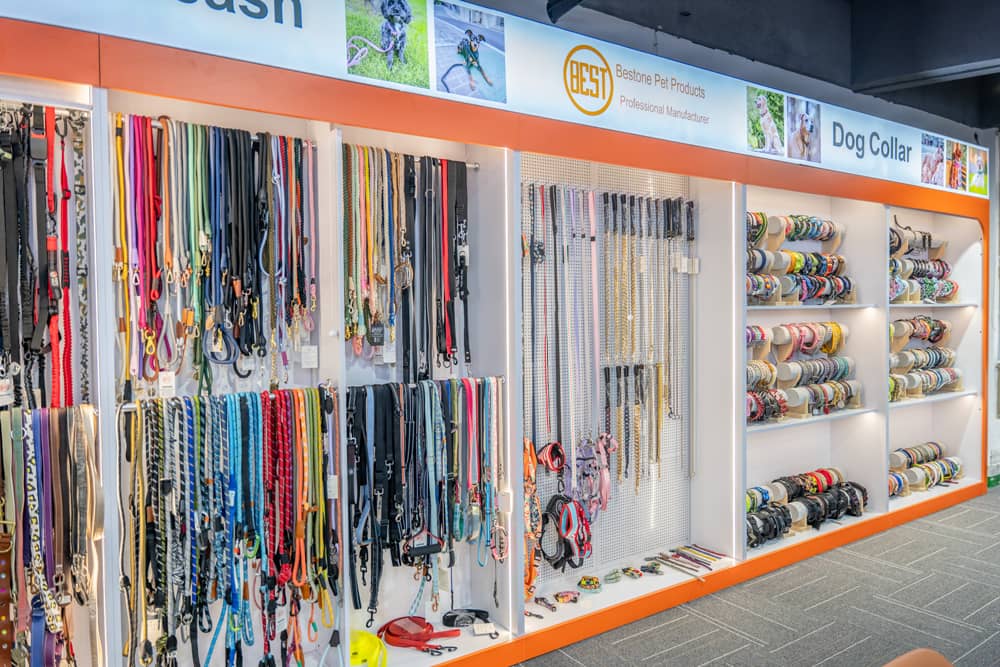

Conclusion: Start Small, Think Big
Achieving eco-friendly materials without ruining your retail prices isn’t magic—it is just good math and smart design. By choosing the right materials like rPET or Kraft paper, ordering in efficient volumes, and reducing shipping weight, you can offer sustainable products that compete on price.
You do not have to overhaul your entire brand overnight. Start with one product line. Test the waters with a sustainable leash collection or eco-packaged collars. The market is moving in this direction, and getting started now puts you ahead of the curve.
Ready to Prototype Your Eco-Friendly Idea?
Your sustainable product is accelerated with rapid prototyping, verified eco materials, and cost-optimized engineering—ready for scale.
Get Your Custom Quote Today